A backyard can make short disc golf practice easier to fit into the week, but the setup should work for the lawn, the neighbours and the people sharing the space. The best home practice area is simple: a safe target, a clear throwing direction and drills that reward control instead of maximum power.
Choose the target before the throw
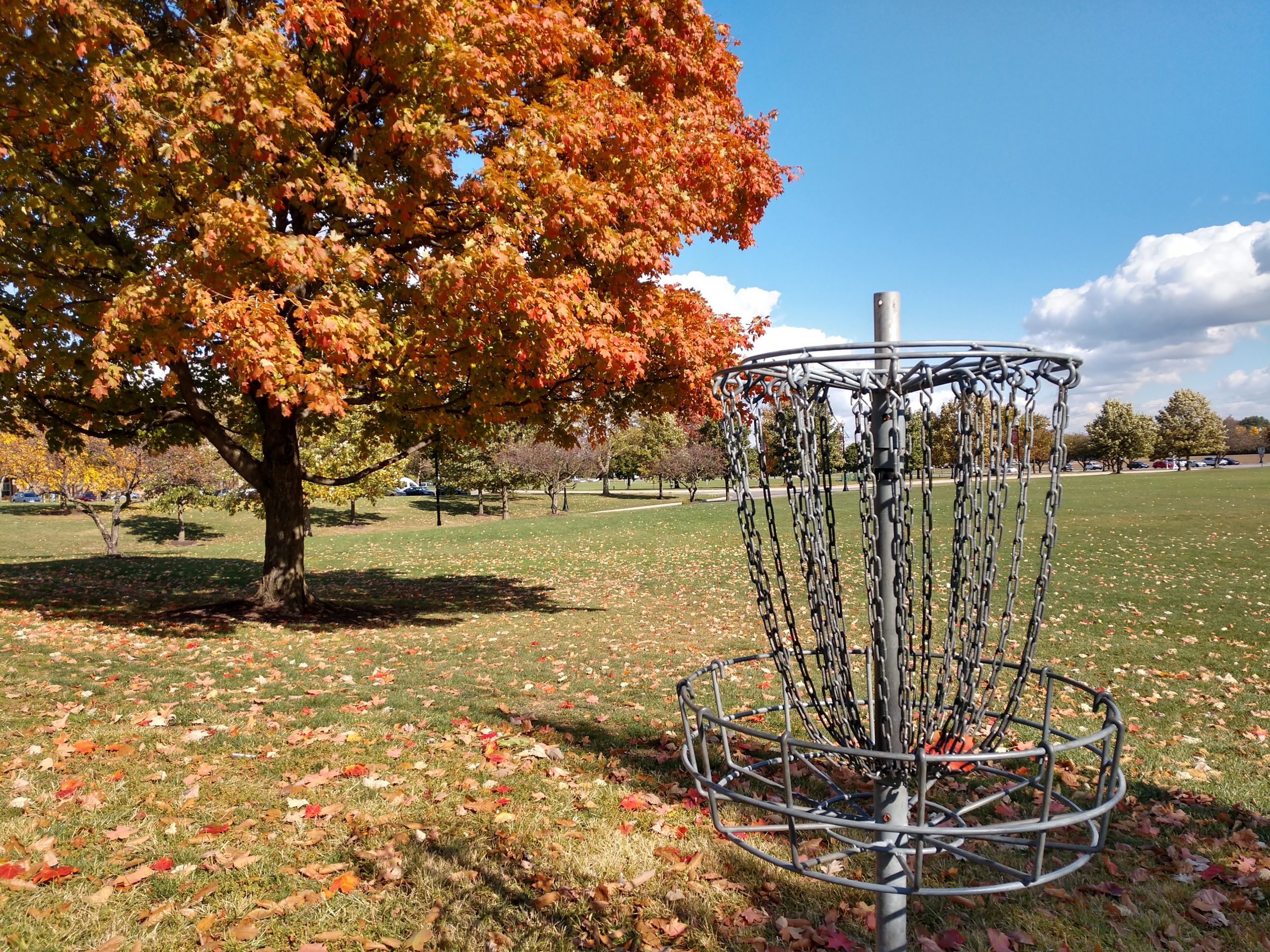
Start with a target that is suitable for the space. A portable basket can be useful when there is room to throw safely, while a marked landing zone or a low-risk target can work for shorter drills. Keep the target away from windows, vehicles, fences, play areas and any place where an errant disc could cause trouble.
Use a clear throwing direction and make sure everyone in the area knows when a throw is happening. If the space cannot provide a safe stopping area, move the drill closer or choose a putting-only exercise.
Protect the lawn
Repeated run-ups and hard planting can wear one patch of ground quickly. Rotate your starting point, use a mat where appropriate and avoid practising when the ground is saturated. A smaller number of controlled throws is kinder to the surface than a long session of full-power drives.
Watch for worn grass, exposed roots and slippery footing. Repair or move the setup when the surface begins to deteriorate. The goal is to keep the practice area usable, not to prove that every drill can happen in one exact spot.
Build three small stations
- Putting station: choose a short distance and practise a repeatable stance, release and finish.
- Landing-zone station: mark an area and try to land approaches inside it with different speeds.
- Line-choice station: set two safe gates or visual lines and decide which route gives you the most control before throwing.
Give each station a time limit. A short rotation keeps the session focused and reduces the temptation to keep throwing after the surface or your technique starts to fade.
Keep the home session neighbour-friendly
Choose reasonable practice times, keep discs and bags tidy, and stop if someone enters the throwing area. If a neighbour has a concern, listen and adjust the setup. A home practice area is only useful when it can coexist with the people around it.
Where a rental agreement, body corporate rule or local guidance applies, check it before installing anything permanent. A temporary setup is often the most flexible option and makes it easier to pack away when the space is needed for another purpose.
Measure control, not distance
For a home session, count how often the disc finishes in the intended zone, how often your putting routine stays consistent or how many clean releases you make. Write down one useful cue and stop while the drill is still tidy. That approach builds a repeatable habit without turning the backyard into a full driving range.
Use a reset cue
Choose one short cue before each set, such as “smooth release” or “balanced finish”. If the throw becomes rushed, pause, collect the discs and start the next set from the same safe station. A reset cue keeps the session focused without adding more technical changes.
FAQs
Do I need a permanent basket at home?
No. A portable target, marked landing zone or putting-only station can provide useful practice when it suits the available space.
How can I protect the lawn?
Rotate starting points, use a mat where suitable, avoid saturated ground and move the setup when repeated throws begin to wear the surface.
Where should I place a backyard target?
Choose a clear area away from windows, vehicles, fences, play spaces and other places where a stray disc could cause damage or injury.
What should I practise in a small backyard?
Putting, approach landing zones and controlled line-choice drills can work in a smaller area without requiring full-power drives.
When should I stop a practice session?
Stop when the planned time ends, when the ground becomes unsafe or when the throwing area is no longer clear.
Should a home setup be permanent?
Not necessarily. A temporary setup is often easier to move, store and adapt to rental, body corporate or shared-space requirements.