Author: discgolf11

  • Free downloads are live: cheat sheet, scorecard and practice plan

    Free downloads are live: cheat sheet, scorecard and practice plan

    The first DiscGolf.nz free downloads are live. Print them, share them with your crew and keep a copy in your disc bag.

    What is ready now

    Beginner cheat sheet – the 60-second rules, three throws to learn first and course etiquette that keeps everyone smiling.

    Printable 18-hole scorecard – par, score and plus/minus columns, sized for a normal printer.

    20-minute practice plan – five short blocks for busy weeks so a quick session still moves your game forward.

    More on the way

    Next up: a putting ladder challenge sheet, disc flight numbers explained in plain English, and a course-day checklist for club nights.

    If there is a resource you wish existed, email admin@discgolf.nz and we will add it to the list.

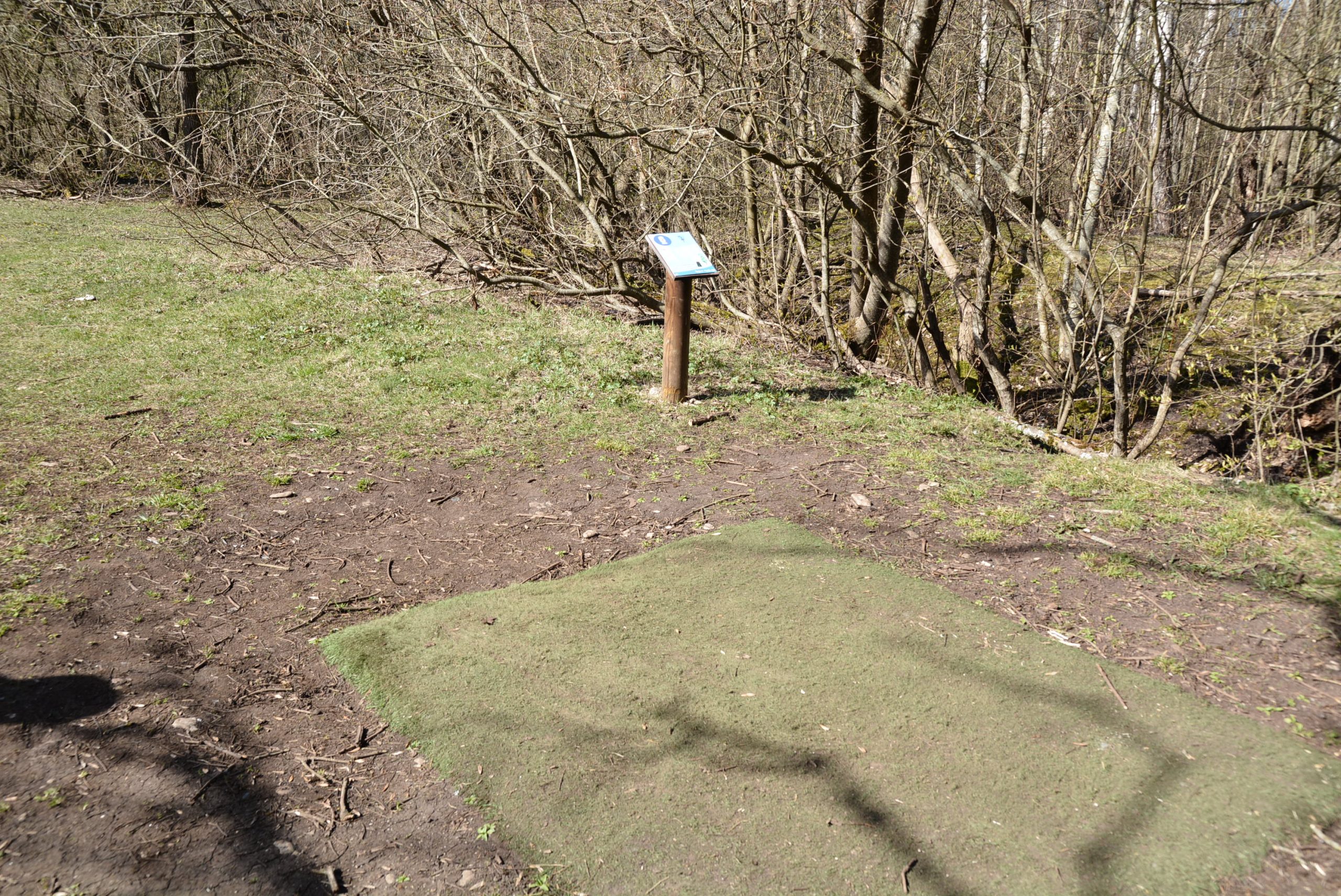
    Photo: Pirita disc golf tee area – CC0 / public domain.
  • Six things that make a local disc golf course worth the drive

    Six things that make a local disc golf course worth the drive

    Every disc golfer has a favourite local course, and it is rarely the longest or the hardest. Here is the short list of things that make a course worth packing the car for.

    The short list

    Fair lines – holes that reward a good throw and forgive a small mistake. You should be able to see the shape of the shot from the tee.

    Clear signage – tee signs with distance and par, plus a next-tee arrow so new players never feel lost.

    Good footing – tee pads that grip in the wet and fairways that are safe to walk in normal shoes.

    Variety – a mix of open bombs, tight woods and short technical holes so every part of your game gets used.

    Care – mown fairways, repaired benches and a club that looks after the place.

    People – a local crew that says hello and lets a faster group play through. That is what turns a course into a home track.

    Tell us about your local

    We are building a picture of the best places to throw around New Zealand. Send a course name, a photo and one thing that makes it special to admin@discgolf.nz.

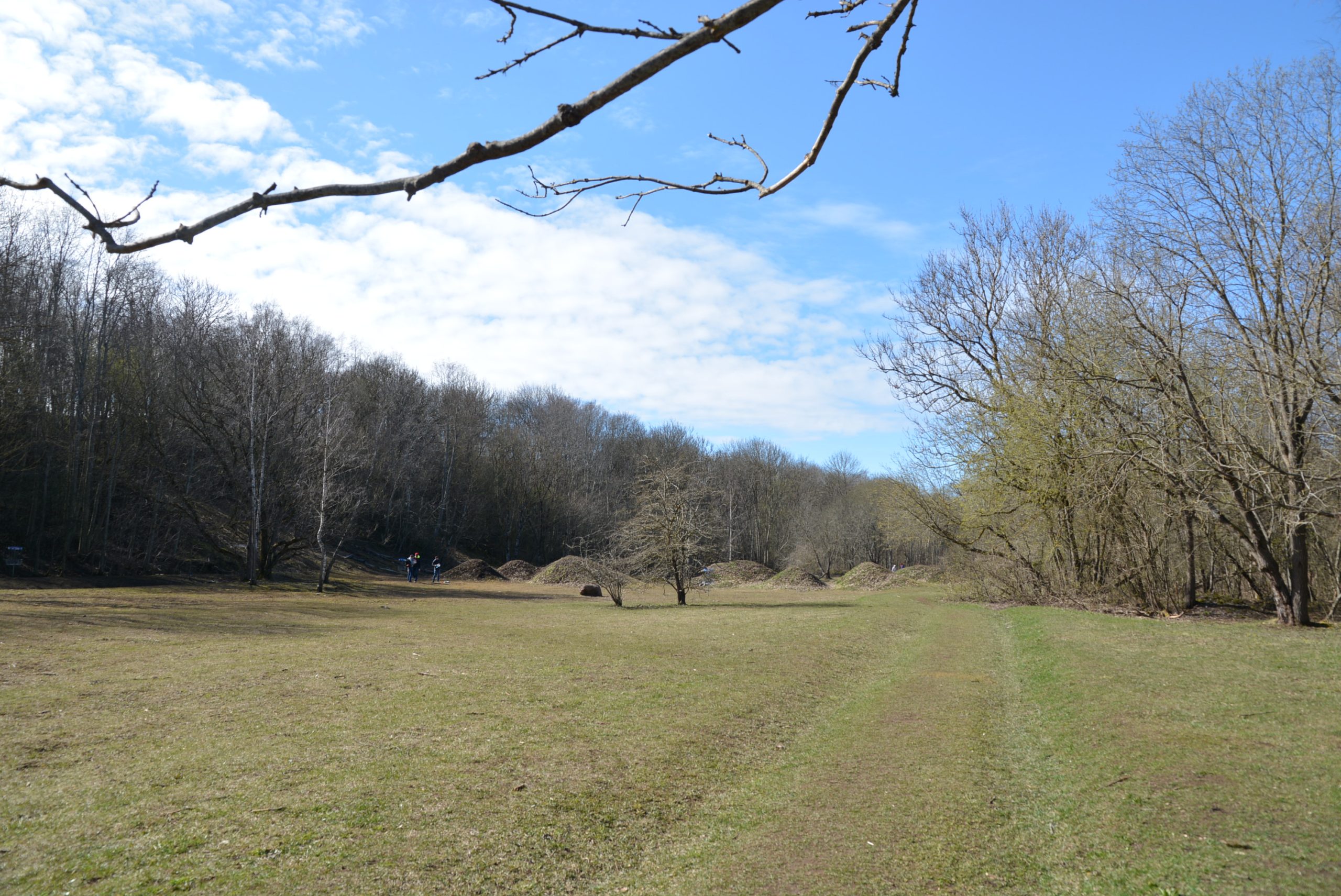
    Photo: Pirita disc golf hole – CC0 / public domain.

  • Welcome to DiscGolf.nz: news, tips and good vibes for Kiwi disc golf

    Welcome to DiscGolf.nz: news, tips and good vibes for Kiwi disc golf

    There is no better time to be throwing plastic in New Zealand. Courses are popping up, club nights are filling up and the scene keeps getting friendlier. DiscGolf.nz is a new, independent home for all of it.

    What you will find here

    News and notes from around the scene, plus the occasional look at gear, courses and events worth knowing about.

    Tips and ideas you can use on your next round: form fixes, practice plans, course craft and the small decisions that save strokes.

    Free downloads, starting with a beginner cheat sheet, a printable scorecard and a 20-minute practice plan.

    Built to be useful

    The goal is simple: make disc golf easier to start and more fun to keep playing. That means plain English, honest advice and no gatekeeping.

    If you have a course tip, a story, a correction or an idea for something you wish existed, send it through. The site grows with the community.

    Photo: Pirita disc golf course – CC0 / public domain.

  • Five beginner fixes that add easy distance

    Five beginner fixes that add easy distance

    Most new players do not need more power. They need less tension, a better release and a little patience. Here are five fixes that reliably add distance without wrecking your shoulder.

    1. Slow the run-up down

    A smooth walk-up beats a sprint. If your feet are ahead of your arm, the throw turns into a lunge and the disc comes out late.

    2. Fix the nose angle

    A disc that flies nose-up stalls and drops. Practice throwing with the front edge slightly down and watch how much further a controlled shot travels.

    3. Reach back, do not lean back

    Turn your shoulders instead of tipping your spine. Your head stays quiet, your hips stay under you and the disc stays on the line you picked.

    4. Use the brace

    Plant the lead foot and let your hips lead the throw. The arm is the whip, not the engine. This is where most free distance hides.

    5. Throw a fairway driver

    Beginner-friendly fairway drivers fly straighter and land more predictably than a wide-rim distance driver. Get a clean release first, then add speed.

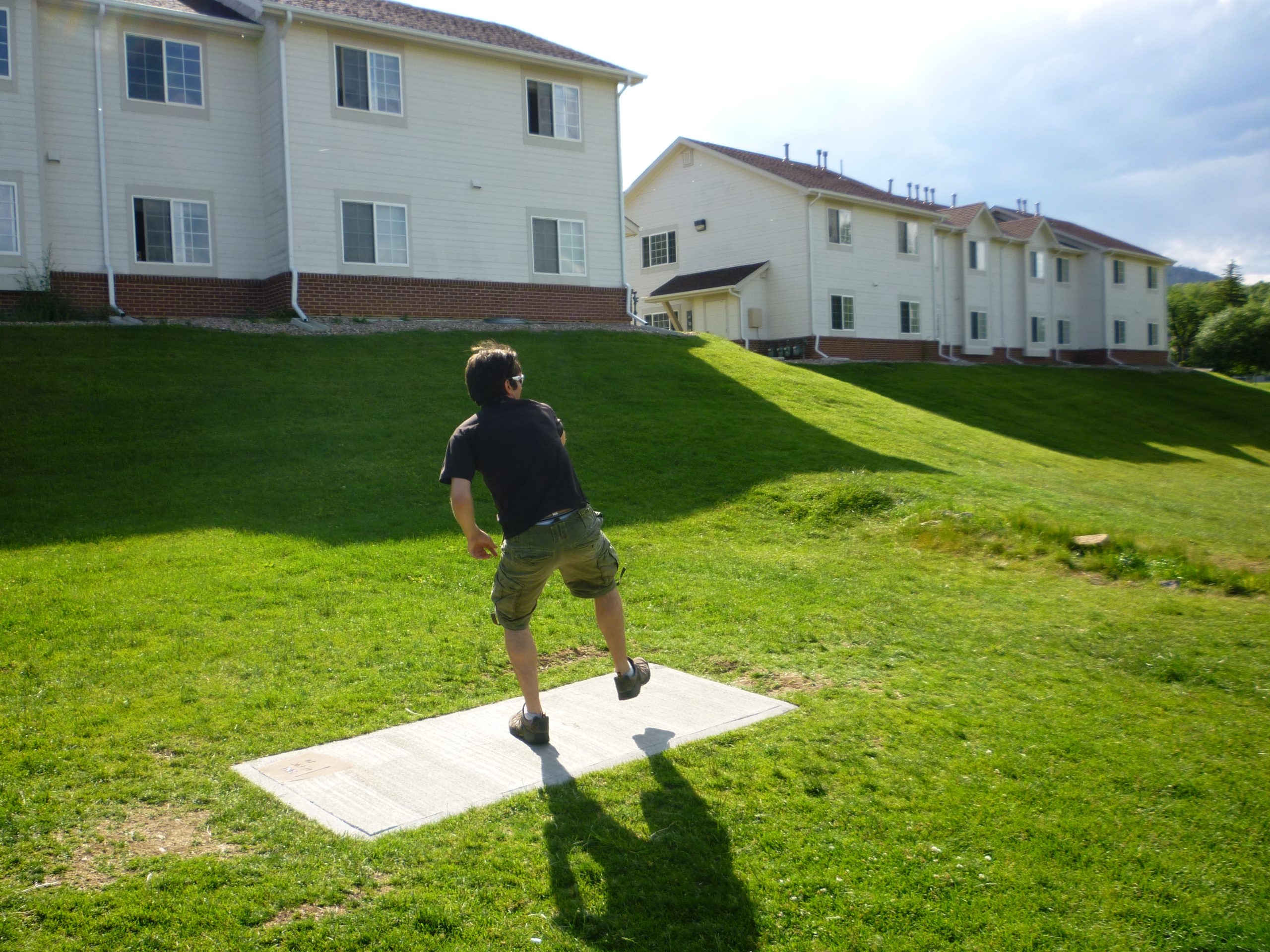
    Photo: “Disc golf throw at Mines Park DGC in Golden, CO” by stevehicks is licensed under CC BY 2.0. To view a copy of this license, visit https://creativecommons.org/licenses/by/2.0/.

    Pick one fix per practice session. One change at a time is how distance becomes repeatable instead of lucky.

  • Backhand or forehand first? How to choose your starter throw

    Backhand or forehand first? How to choose your starter throw

    You do not need both throws on day one. You need one throw you can trust, and a simple plan for the other. Here is how to choose.

    Learn backhand first if…

    You want the most common, most versatile throw in the game. The backhand is the natural starting point for most players and it teaches the fundamentals of timing and rotation.

    Start with standstill throws and a midrange or putter. Add a small walk-up once you can throw flat and straight.

    Learn forehand first if…

    Your body prefers a flick, you play a lot of tight wooded holes, or you want a shorter learning curve to controlled approaches.

    Keep the wrist loose, finish pointing at the target and resist the urge to throw hard. Touch and repeatability matter more than power.

    The quickest path

    Learn to putt first. A reliable putter saves more strokes than a perfect drive, and it makes every other part of the game more fun.

    Then build one dependable throw. Make the second throw a project for next month, not next round.

    Photo: Pirita disc golf course fairway – CC0 / public domain.

  • 20-minute practice sessions that actually make you better

    20-minute practice sessions that actually make you better

    Most of us do not have a spare afternoon. We do have twenty minutes. Done often, a focused session beats a once-a-month mega practice every time.

    0-3 minutes: warm up

    Arm circles, hip openers and ten easy putts from three metres. Wake the body up before you ask it to throw hard.

    3-8 minutes: putting ladder

    Five putts from three, five, seven and nine metres. Score each set out of five and write the total down. That number is your target next time.

    8-13 minutes: backhand gaps

    Pick two targets fifteen to twenty metres apart and throw ten controlled backhands through the gap. Flat release, smooth finish.

    13-18 minutes: forehand touch

    Ten forehand approaches to a landing zone. The goal is for the disc to sit down, not skip twenty metres past the basket.

    18-20 minutes: cool down

    Five slow putts, then note one thing that worked and one thing to improve. Two lines in your phone is enough.

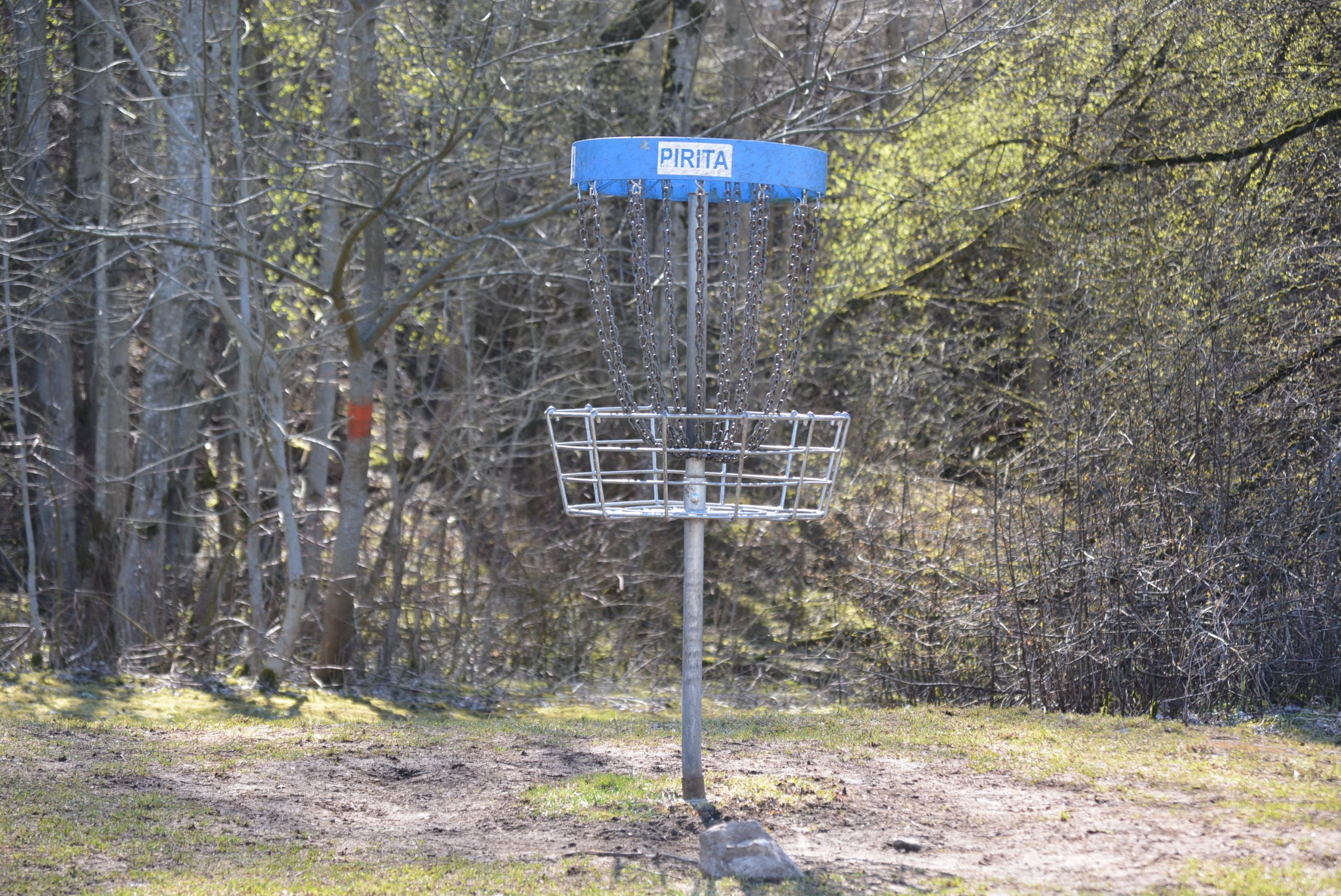
    Photo: Pirita disc golf tee area – CC0 / public domain.
    Grab the free 20-minute practice plan PDF on our downloads page and keep it in your bag.

  • Build a backyard practice setup that will not wreck the lawn

    Build a backyard practice setup that will not wreck the lawn

    A basket in the backyard changes everything. You throw more, you putt more, and a ten-minute gap in the day becomes a real session.

    Start with one target

    A portable basket is enough. Put it somewhere you can throw from three to ten metres without losing discs over a fence.

    If the ground is soft, move the basket every few sessions so you are not grinding one patch of grass into mud.

    Protect the lawn

    Putting does very little damage. Full drives do. Keep the long throws to the park and use the yard for putts, approaches and upshots.

    A small mat or a rubber tee pad saves the grass under your feet and gives you a consistent place to stand.

    Make it fun

    Set up a ladder: three metres, five metres, seven metres, nine metres. Ten putts from each, and try to beat yesterday.

    Add a target for your non-dominant hand, a gap between two chairs to throw through, or a bonus putt you have to earn. Games keep practice interesting.

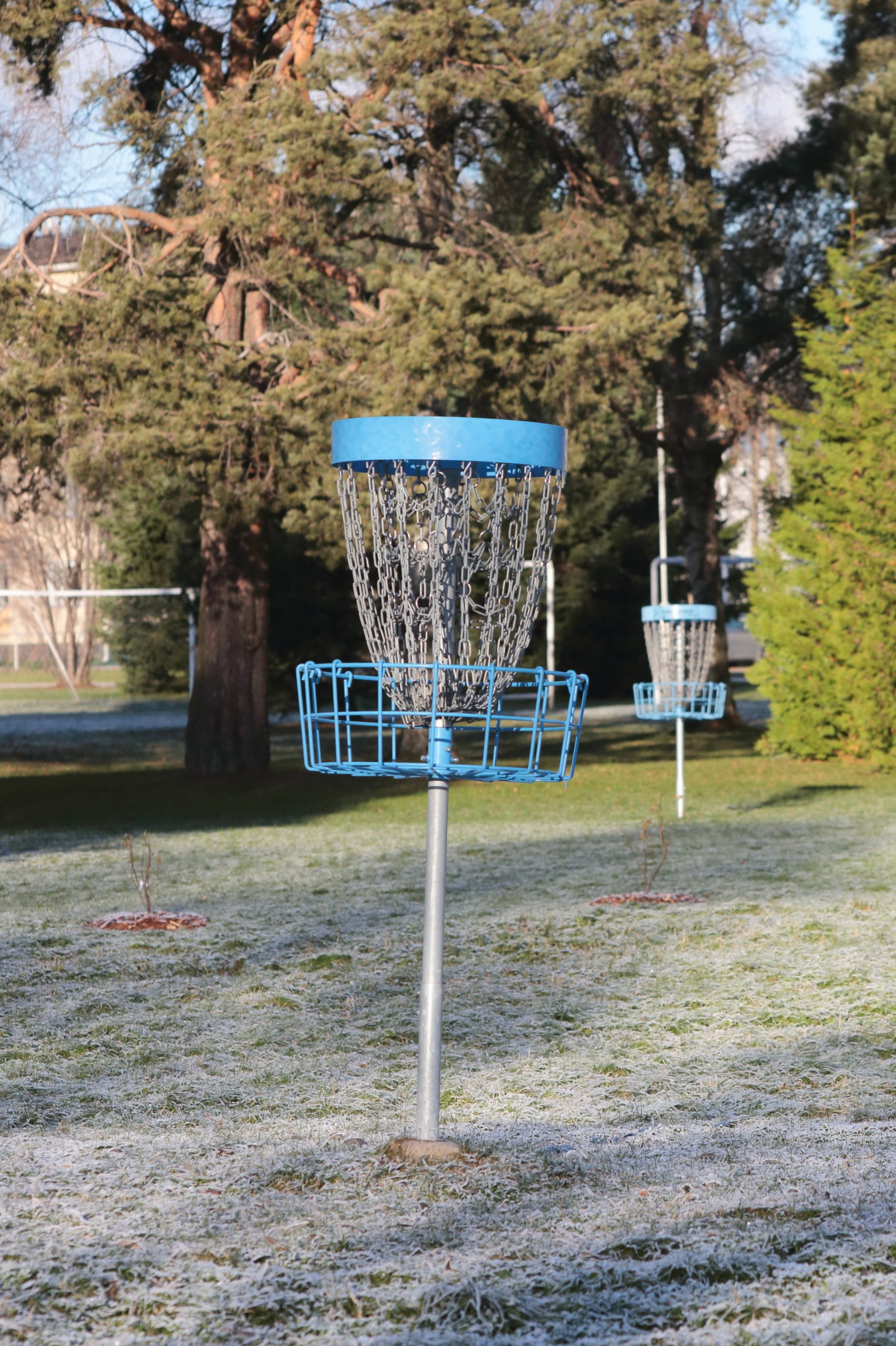
    Photo: Disc golf basket close up – CC0 / public domain.

  • Plan a disc golf weekend roadie around Aotearoa

    Plan a disc golf weekend roadie around Aotearoa

    New Zealand is built for a disc golf roadie: short drives, big scenery and courses tucked into parks, reserves and bush edges. The trick is keeping the plan small enough to enjoy.

    Pick two courses, not five

    One course in the morning and one on the way home beats a frantic checklist. You will play better, remember more and actually enjoy lunch.

    Check local club pages for course maps, parking notes and any events on that weekend.

    Pack for a long day

    Water, snacks, a towel, spare socks, sunscreen and a few spare discs. Add a mini marker and a small first aid kit for the car.

    Keep a lightweight rain jacket in the bag. Weather changes fast and a dry round is a better round.

    Make it social

    Post in a local club group before you go. A guide who knows the lines turns a new course into a highlight.

    Bring a spare beginner disc and invite someone along. The best roadies usually end with a new throwing buddy.

    Photo: Pirita disc golf hole – CC0 / public domain.

  • What a beginner disc bag really needs (and what to skip)

    What a beginner disc bag really needs (and what to skip)

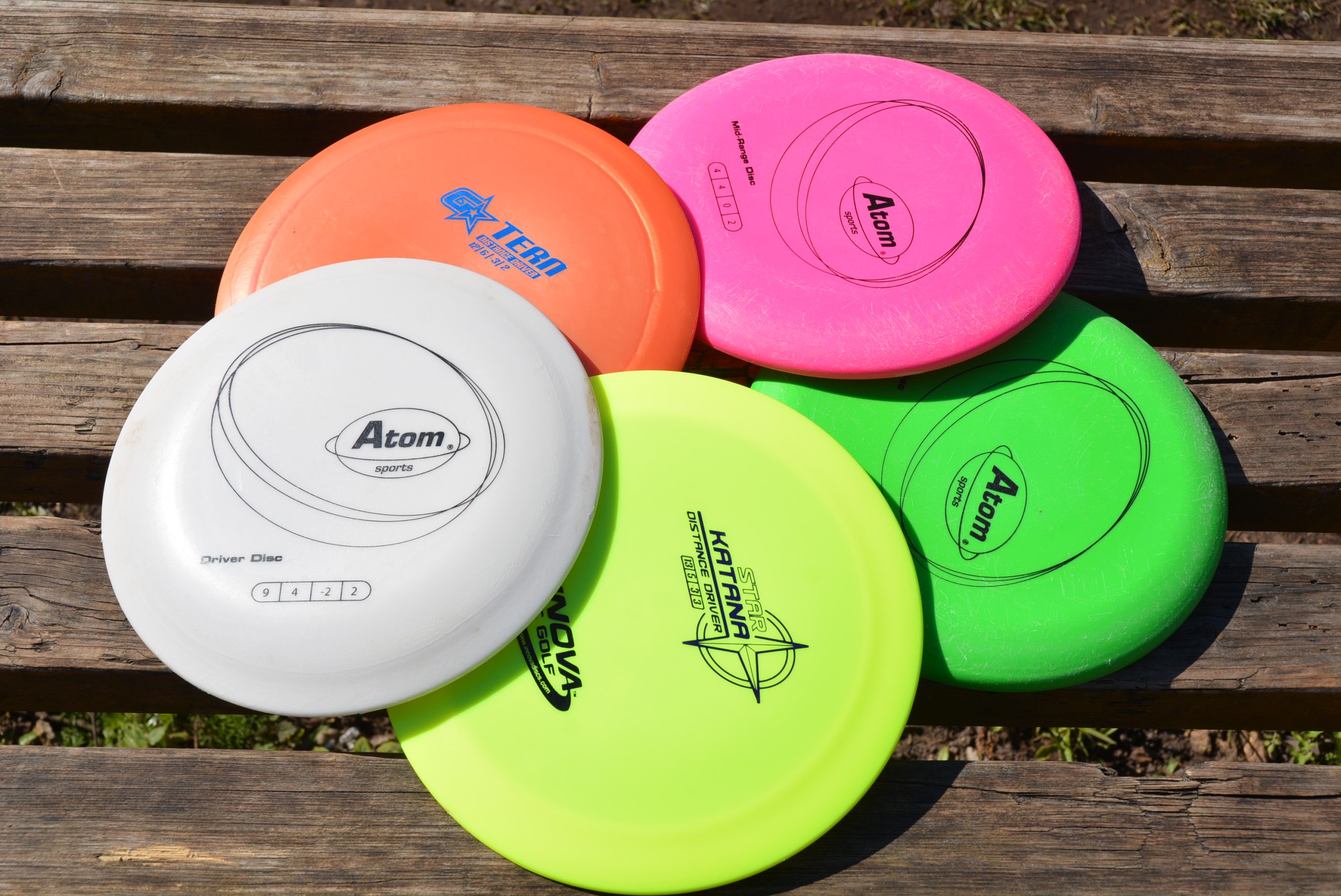
    Walk into any disc shop and the wall of plastic gets overwhelming fast. The good news: you need less than you think. Three discs can cover almost every shot a new player faces.

    A putter you trust

    Start with a putter that feels comfortable in your hand. You will use it for putts, short approaches and learning to throw straight.

    Buy one, not three. Learn how it flies before you add another.

    A straight midrange

    A neutral midrange is the workhorse of a beginner bag. It holds a line, shows you what your throw is actually doing and covers most tee shots on shorter holes.

    One fairway driver

    A lighter, beginner-friendly fairway driver adds distance without demanding perfect form. Skip the wide-rim distance driver for now.

    It will fly further than your arm can use and hide your mistakes, which makes practice harder.

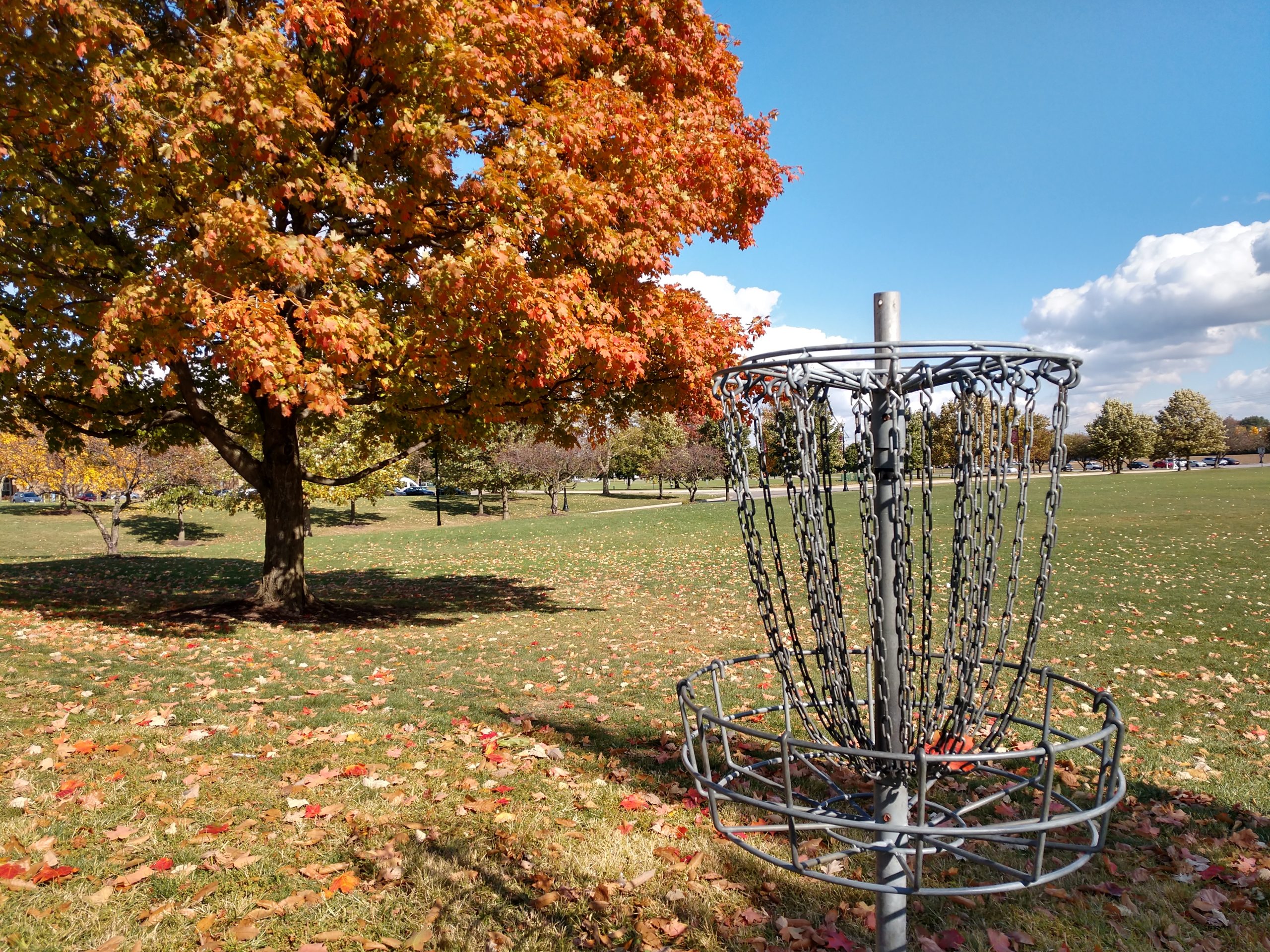
    Photo: Disc golf basket in the park – CC0 / public domain.

    Add discs when you can name exactly what shot you are missing. Until then, learn the three you have.