Beginner distance is often hiding in the parts of the throw that happen before the disc leaves your hand. If your run-up feels rushed, your balance falls away or your arm is doing all the work, adding effort can make the throw less controlled. Try these five fixes one at a time and judge them by clean flights, not by one lucky throw.
1. Start with a balanced standstill
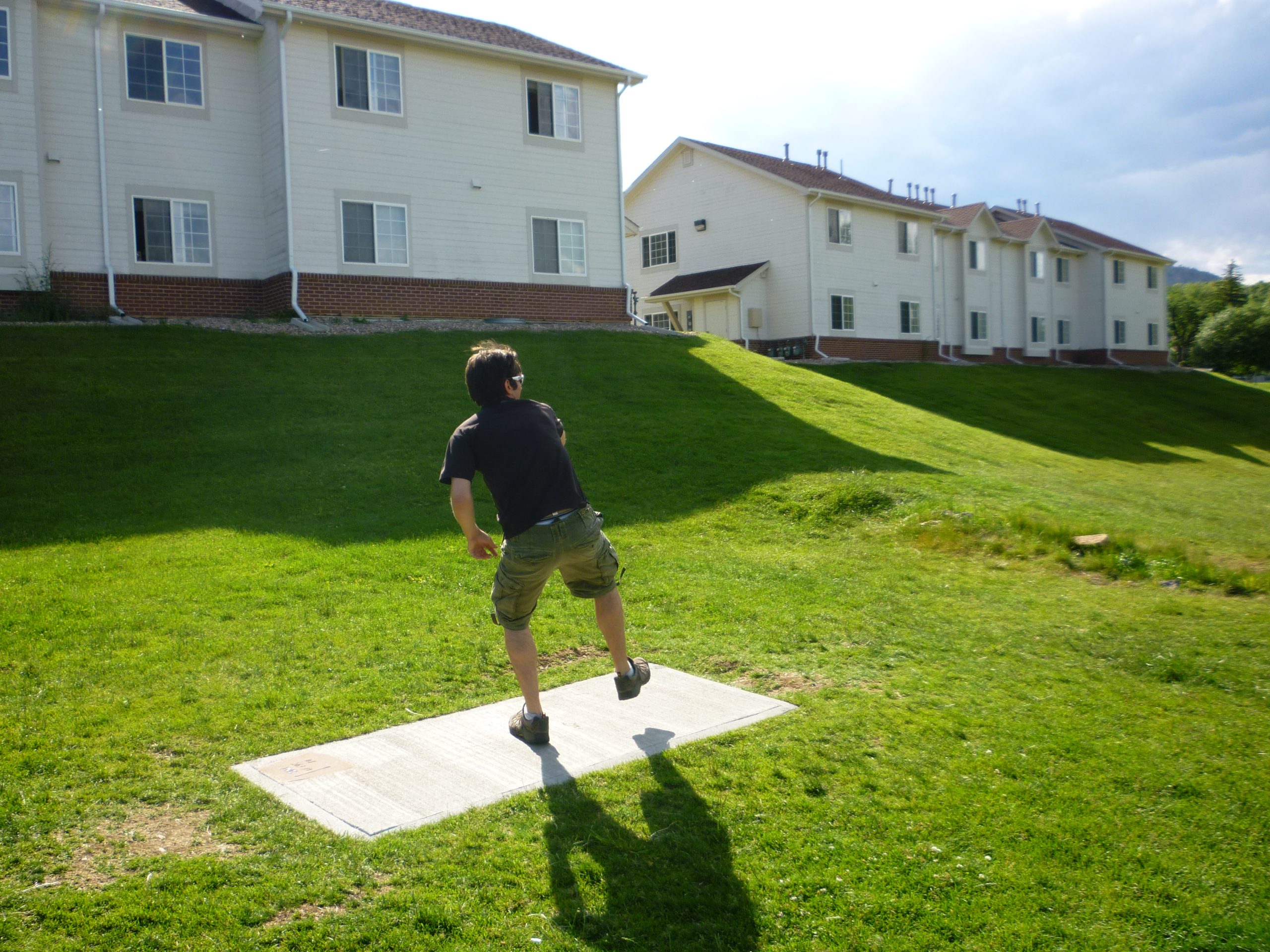
Before adding a run-up, practise a standstill throw with your feet stable and your chest turned away from the target. Brace the front side, rotate smoothly and finish with your weight under control. A balanced standstill gives you a clear baseline and removes extra moving parts while you learn the feel of the throw.
2. Let the lower body begin the motion
Distance improves when the hips and shoulders contribute in sequence. A small, comfortable step can help you feel the lower body start while the upper body stays relaxed. If your arm is already pulling hard before your weight shifts, slow down and make the movement smaller until the order feels easier.
3. Keep the reach-back compact
A huge reach-back is not automatically a powerful one. Reach into a position you can control without leaning backwards or losing sight of your line. The disc should travel close enough to your body that you can move into the pull smoothly, rather than pausing at the furthest point.
4. Finish the throw
Many new players try to stop the disc at the target. Let the throwing side continue across the body and allow the back foot to respond to the rotation. A complete follow-through helps you stay balanced and makes it easier to repeat the same release instead of bracing against it.
5. Choose a slower disc while you learn
A slower, neutral-flying disc can make release angle and nose angle easier to see. That does not mean faster discs are bad; it means a disc that matches your current control can give clearer feedback. If a disc regularly fades early, turns sharply or feels difficult to keep on line, use a more manageable option for practice.
Build a simple practice block
Choose two fixes, then throw five controlled standstills and five relaxed full throws for each one. Keep the target modest: a repeatable line, a balanced finish or a clean release. Stop when your form becomes rushed. Write down what felt different, then revisit the same two cues next time before adding speed.
FAQs
Should I throw harder to gain distance?
Usually, no. Start by improving balance, sequencing and release control. Extra effort is more useful after the movement is repeatable, because hard throwing can hide the cause of an inconsistent flight.
Do I need a run-up to throw far?
No. A standstill is a valuable way to learn a clean brace, rotation and release. Add steps only when they help you keep those parts of the throw connected.
Why does a big reach-back make my throw worse?
If the reach-back makes you lean, pause or lose your line, it is too large for your current timing. Make it smaller and smoother, then expand it only if control remains.
What does a good follow-through feel like?
It should feel like the throw continues after release, with the body able to rotate and the finish balanced. It should not feel like you are forcing your arm to stop at the target.
How do I know if a disc is too fast for me?
If you cannot keep the disc on a predictable line or read whether the problem is your release or the disc’s flight, use a slower option for practice. Clear feedback matters more than a disc’s speed number.
How often should I practise these fixes?
Short, regular sessions are enough. Spend ten to fifteen minutes on one or two cues, finish while the movement is still controlled, and bring the same focus into your next casual round.