Blog

  • PDGA forms officiating task force after Worlds call controversy

    PDGA forms officiating task force after Worlds call controversy

    The Professional Disc Golf Association has announced a new officiating task force following controversy around a stance-violation call during the final MPO round of the 2026 PDGA Professional Disc Golf World Championship. For players in Aotearoa who follow sanctioned events, the important point is that this is a process review, not a replay of the decision.

    In its 9 September 2026 announcement, the PDGA said it wants to review and clarify how officiating works at elite and Major-level events. The organisation said the task force will look at making rules and procedures clearer, more consistent and easier for players, officials and fans to understand.

    What has the PDGA announced?

    The task force is being chaired by Conrad Damon, the newly elected President of the PDGA Board of Directors, and Doug Bjerkaas, the PDGA Executive Director. The PDGA said additional members would be named in the following week, including representatives from the DGPT Players Council, disc golf media and the PDGA Rules & Regulations Advisory Committee.

    That mix matters because officiating affects several groups at once. Players need to know what is expected of them. Officials need a process they can apply consistently. Tournament directors need procedures that are clear enough to support decisions under pressure. Fans also need to understand why a ruling was made, especially when a high-profile call changes the feel of a final round.

    What the task force is not doing

    The PDGA has been explicit that the task force will not review or revisit the outcome of the 2026 Worlds final round. The ruling stands. The announced work is forward-looking: it is intended to examine the approach to officiating and recommend improvements for future events.

    That distinction is useful for everyday players. A review of a process does not automatically change a scorecard, overturn a past decision or create a new appeal route for an event that has already finished. Any future changes will depend on the task force’s recommendations and whatever the PDGA decides to publish after the review is complete.

    Why this matters beyond elite events

    Most rounds in New Zealand are casual, club-based or local competitions rather than PDGA Major events. Even so, clear decision-making helps any organised round. Before a tournament starts, players and organisers can reduce confusion by making sure everyone knows which rules apply, who is acting as an official, and how a question should be raised.

    A calm process also protects the tone of the sport. A player can disagree with a call without turning the group into an argument. An official can explain the decision and record the relevant facts. A tournament director can focus on applying the event’s published procedures rather than sorting out a dispute that has become personal.

    This does not mean every club round needs a complicated bureaucracy. It means the event should make its expectations visible before the first tee time. For a small competition, that might be a short briefing covering local rules, out-of-bounds areas, how to request an official ruling and who has final authority for the day.

    A practical checklist for local organisers

    While the PDGA review is underway, local tournament directors can still make their own events easier to follow:

    • Publish the event rules early. Point players to the governing rules and list any event-specific conditions in plain language.
    • Identify officials. Let players know who can make a ruling and how to contact the tournament director if an issue needs to be escalated.
    • Explain the timing. Tell players to raise a question promptly, before the group moves too far from the situation.
    • Keep facts separate from frustration. Note the lie, throw, marker, boundary or other relevant detail before debating what should happen next.
    • Record unusual rulings. A short written note helps with results, later questions and improvements for the next event.

    For players, the matching checklist is simple: know the local rules, ask early, explain the situation clearly and listen to the ruling before deciding what to do next. If you are unsure how your event handles a disputed call, ask the organiser at the player briefing rather than waiting for a stressful moment on the course.

    What happens next?

    The PDGA says it will share the task force’s recommendations and any resulting changes when the review is complete. Until then, the current published rules and event procedures remain the reference point for sanctioned play. The task force announcement is therefore best read as a sign that the sport’s governing body is taking officiating clarity seriously, not as an immediate rule change.

    For the New Zealand disc-golf community, that is a useful conversation to have at every level. Good officiating is not about removing all disagreement from sport. It is about giving players and organisers a fair, understandable way to handle disagreement when it appears.

    Source: PDGA Board of Directors Forms Officiating Task Force, published 9 September 2026.

    FAQs

    Why did the PDGA form an officiating task force?

    The PDGA formed it to review and clarify its approach to officiating at elite and Major-level events after controversy around a stance-violation call at the 2026 World Championship.

    Will the task force change the result of the 2026 Worlds final round?

    No. The PDGA said the task force will not revisit that outcome and that the ruling stands.

    Who is leading the PDGA officiating task force?

    It is chaired by Conrad Damon, President of the PDGA Board of Directors, and Doug Bjerkaas, the PDGA Executive Director.

    Who else is expected to be represented?

    The PDGA said additional members would include representatives from the DGPT Players Council, disc golf media and the PDGA Rules & Regulations Advisory Committee.

    Does the announcement immediately change the rules for local New Zealand rounds?

    No. The announcement describes a forward-looking review. Players should continue to follow the rules and event procedures published for their particular competition.

    What can a local tournament organiser do now?

    An organiser can publish event rules early, identify officials, explain how questions are raised, ask players to report issues promptly and keep a short record of unusual rulings.
  • A five-step wind check for calmer disc golf rounds

    A five-step wind check for calmer disc golf rounds

    A disc that flies predictably on a calm practice field can behave very differently when a gust catches it halfway down a fairway. The answer is not always to throw harder or reach for a more specialised disc. A reliable first step is to slow the decision down: notice the wind, choose a forgiving line, and plan where you are happy for the disc to finish.

    This five-step wind check is designed for everyday rounds, including exposed parks and coastal layouts around Aotearoa. It is a practical routine rather than a promise that you can control every gust. Wind is variable, and a safe, simple shot is often a better choice than trying to force a perfect flight.

    1. Check more than the flag at the tee

    Before you throw, look at grass, leaves, flags and the tops of nearby trees. These clues can disagree because they sit at different heights and may be sheltered differently. A flag near the car park may not tell you what the air is doing above an open fairway.

    Notice the wind at the tee, then look toward the landing area. If the clues suggest the direction is changing or swirling, treat the shot as less predictable. A weather forecast can give useful background, but your immediate surroundings tell you what is happening on this particular hole.

    2. Think about how the air meets the disc

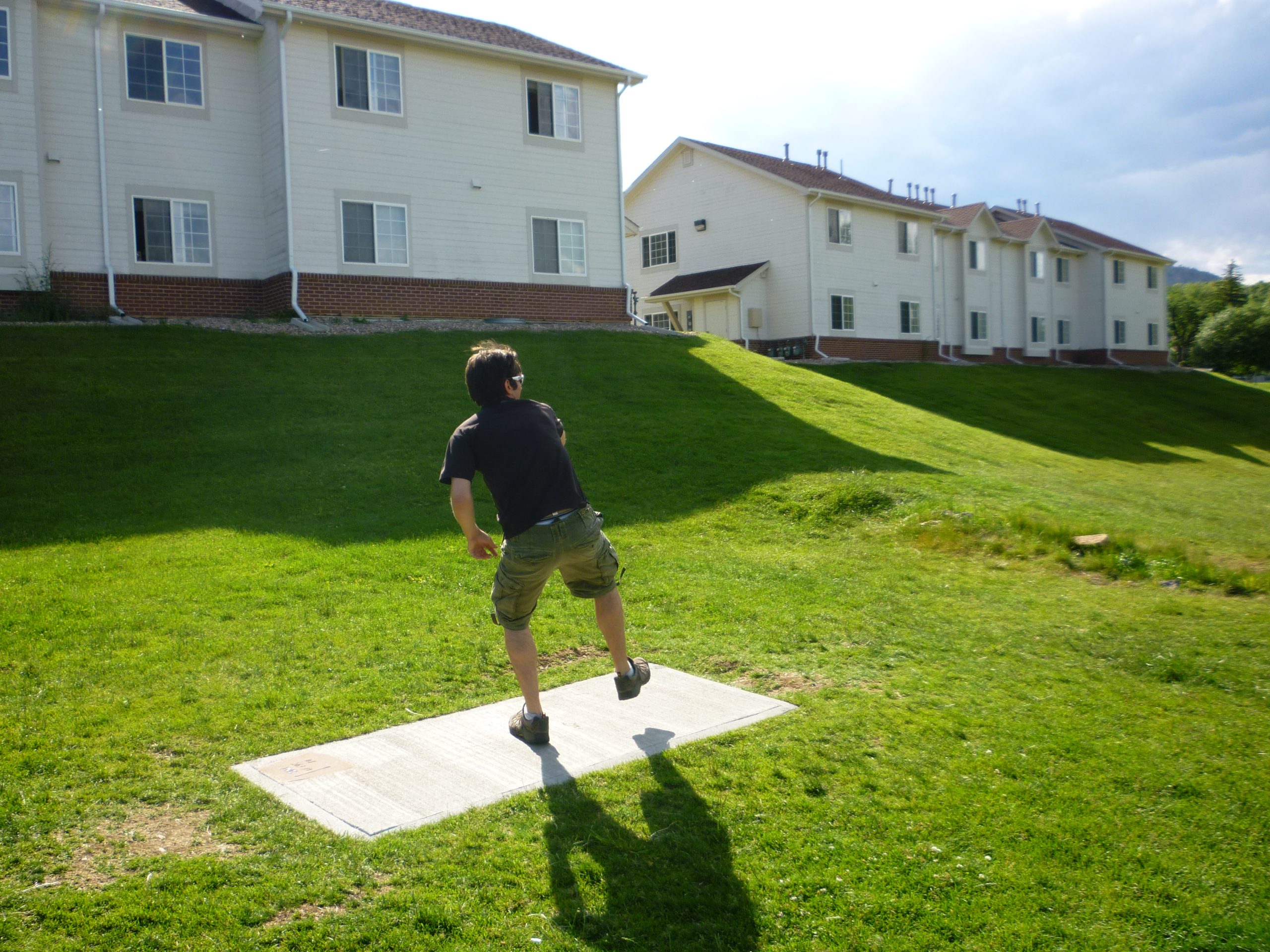
    Wind direction matters, but so does the disc’s angle as it flies. A breeze that catches the underside of a tilted disc can lift or move it; air over the top can press it down. This is one reason a crosswind can produce a surprising result when the disc banks or turns during flight.

    For a practical check, imagine the disc’s flight plate as it travels along your planned line. Ask: if the wind shifts, which edge might it catch? This is more useful than thinking only “left wind” or “right wind”. For right- and left-handed throws, the likely flight shape can differ, so use your own familiar throw as the reference rather than copying a generic direction chart.

    The Professional Disc Golf Association’s wind explainer discusses how wind affects lift, drag and the disc’s angle of attack. Its central lesson for everyday players is that wind can change flight significantly, so expect your usual release and disc choice to behave differently rather than assuming the same result as a calm-day throw.

    3. Choose a forgiving line and landing area

    On a windy hole, choose a landing area before you choose a heroic distance target. Look for space that leaves a manageable next shot and avoids the worst trouble. If one side of the fairway has deep rough, a boundary or a steep slope, give yourself room away from it.

    Then choose a line that leaves margin for uncertainty. You might aim at a broad gap instead of a narrow one, or accept a shorter placement throw rather than trying to reach the basket in one. A safer miss is part of the plan, not a failure of ambition.

    Do not automatically change to a faster or more overstable disc just because it is breezy. The right choice depends on your throw, the wind angle, the available space and the flight you can repeat. When unsure, use a familiar disc and a controlled throw, and leave enough room for a less-than-perfect result.

    4. Make the throw simpler, not stronger

    Trying to overpower the wind can make timing and angle harder to repeat. Instead, pick one clear cue: a controlled reach, a comfortable release angle, or a lower line if the fairway allows it. Avoid stacking several technical thoughts just as you step onto the tee.

    Keep the intended finish in mind. If a gust pushes the disc away from your ideal line, a predictable landing zone still gives you a chance to recover. The goal is to make a decision you can commit to, not to win an argument with the weather.

    5. Plan the approach and putt for the same conditions

    Wind still matters after the drive. Before an approach, check whether the basket area is sheltered or exposed. A soft landing might be useful in one spot, while a ground-level skip or roll could create extra trouble somewhere else. Choose an approach that finishes in a place where you feel comfortable taking the next shot.

    For putting, pause long enough to notice whether the wind is steady or gusting. If the putt feels low-percentage, a controlled lay-up may be a sensible play, particularly when a miss could travel well past the basket or toward a hazard. There is no single rule that makes every windy putt safe; use the conditions and your own reliable range.

    A pocket-sized wind notes card

    Use this quick card before a breezy hole. You can print it from the page or copy the prompts into a notebook.

    WIND NOTES — DISC GOLF
    
    Hole: __________    Wind at tee: ______________________
    Wind near landing area: _______________________________
    What can the wind catch on my disc? __________________
    Safe landing zone: ____________________________________
    Miss I can live with: _________________________________
    Approach / putt plan: _________________________________
    One cue for this throw: ______________________________

    After the hole, write one short note about what happened. “Crosswind gust lifted the outside edge near the trees” is more useful than “wind was bad”. Over several visits, these small observations can help you make better choices at that course without pretending the wind will repeat exactly.

    Keep the routine quick

    A good wind check should take a few seconds, not hold up the group. Look at the conditions, pick the safe side, choose one cue and throw when ready. If the wind is too erratic for the shot you wanted, change the plan before you step into your motion.

    The biggest improvement may simply be avoiding a chain of ambitious choices: a risky drive, a difficult recovery and a low-percentage putt. On a gusty day, a sensible landing zone and a calm next shot can be a very good result.

    Source: The Professional Disc Golf Association’s wind explainer describes how wind influences disc flight through lift, drag and angle of attack. The tips here are practical decision prompts, not a substitute for learning your own throws in different conditions.

    FAQs

    How do I check the wind before a disc golf throw?

    Look at several nearby clues, such as grass, leaves, flags and trees, and compare the tee with the landing area. Local shelter and height can make the wind feel different across one hole.

    Why can a crosswind move a disc unexpectedly?

    A crosswind can meet different parts of the disc as it banks or changes angle in flight. The effect depends on the wind direction and the disc’s orientation, not just whether the wind is coming from your left or right.

    Should I always use a more overstable disc in wind?

    No. Disc choice depends on the throw, wind angle, available space and your familiarity with the disc. When uncertain, a controlled shot with a familiar disc may be easier to plan than a last-minute equipment change.

    Is it better to throw harder into a headwind?

    Not necessarily. Trying to overpower a gust can make your timing and release less consistent. Choose a controllable line and a landing area with room for error.

    What should I do if the wind is swirling near the basket?

    Treat the finish as less predictable, choose an approach that leaves a comfortable next shot, and consider a lay-up if the putt feels low-percentage or a long miss would create trouble.

    What should I write on a disc golf wind-notes card?

    Record the wind at the tee and landing area, the safe landing zone, a miss you can accept, your approach or putt plan, and one simple cue for the throw.

  • Free printable: a simple disc golf course-notes sheet for better rounds

    A new disc golf course can feel like a puzzle. You are trying to work out the lines, the wind, the landing zones, the out-of-bounds areas and the safest way to reach the basket — all while a group waits behind you and your first throw is already in your hand.

    A simple course-notes sheet gives you somewhere to put those decisions. It also helps you notice patterns instead of relying on a vague memory of whether a hole felt hard. You do not need a detailed survey, a perfect map or a bag full of specialist discs. You need a few useful observations that make your next shot easier to plan.

    Why course notes are worth keeping

    Most players remember the dramatic parts of a round: the tree kick, the long putt, the disc that disappeared in the rough. Those moments are memorable, but they are not always the information that will help next time.

    Good notes capture repeatable details:

    • where the safest landing area is;
    • which side of the fairway gives you the clearest next shot;
    • how the wind behaves at tee height and near the basket;
    • where a missed shot is likely to finish;
    • what distance or shape you actually faced, rather than what you hoped to throw.

    The aim is not to make a casual round feel like homework. The aim is to reduce decision fatigue. When you return to the course, you can spend less time guessing and more time committing to a sensible plan.

    Use the sheet in three passes

    Pass one: before the first throw

    Walk to the tee and look at the whole hole before choosing a disc. Write down the basic shape: open, wooded, uphill, downhill, tight, wide or mixed. Then identify the first decision that matters. It might be a low ceiling, a turning fairway, a slope beside the basket or a road that you need to avoid.

    Do not try to predict every bounce. Pick one conservative landing zone that leaves you a clear second shot. If you are playing a new course, a controlled first throw is often more useful than a high-risk attempt at the perfect line.

    Pass two: after the drive

    Once your disc has stopped, note what the hole actually gave you. Was the landing zone as generous as it looked from the tee? Did the fairway play narrower than expected? Did the wind push the disc earlier, later or more strongly than you planned?

    Record the useful adjustment in plain language. “Start wider” is better than a paragraph about the throw. “Keep the miss left” is better than writing down every tree you saw. Your future self needs a decision, not a transcript.

    Pass three: after the hole

    When the hole is complete, give it one quick rating for risk and one for confidence. A hole can be difficult but predictable, or easy-looking but full of awkward misses. Those are different problems and deserve different plans.

    Finish with one sentence: “Next time I will…” Examples include “throw a slower disc,” “lay up before the slope,” “aim at the gap, not the basket,” or “check the wind again near the green.” That sentence becomes the most valuable part of the note.

    What to record on each hole

    Keep the sheet small enough to use while you play. These are the fields that earn their space.

    Hole shape

    Use a short label such as straight, gentle hyzer, turning, tunnel, open or split fairway. The label is a prompt to remember the intended flight, not a technical classification.

    First landing zone

    Mark the part of the fairway where you want your opening throw to finish. On a long hole, this may be a broad area rather than a single spot. Choosing it before you throw keeps the plan focused on position.

    Preferred miss

    Every hole has a miss that leaves a better recovery than the others. Write left, right, short, long or centre, then add a few words if needed: “short is safer than long” or “right side blocks the upshot.” This is especially helpful when the basket is near a boundary, steep bank or dense rough.

    Wind and elevation

    You do not need a detailed weather record. Note what you felt: headwind, tailwind, crosswind, swirling, uphill or downhill. If the wind changes during the round, update the note rather than treating the first observation as permanent.

    Next-shot shape

    Write down what the second shot needs to do. It might need to finish flat, stay below branches, avoid skipping or land softly. This helps you choose a disc for the shot you need, not simply the disc you threw well on the previous hole.

    How to turn notes into a better plan

    After the round, look for repeated decisions rather than isolated mistakes. If three holes punished early turn, the lesson may be about release angle or disc selection. If several approaches finished long, the lesson may be about height and ground play. If putting felt difficult, check whether your approach shots were routinely leaving awkward distances.

    Choose only one or two changes for your next round. A long list can make you play cautiously without making you play better. A focused adjustment is easier to remember under pressure.

    You can also separate course notes from technique notes. “Use a wider starting line on hole 6” is course information. “Keep the reach-back level” is a throwing cue. Both are useful, but mixing them together can make the page harder to use when you are standing on the tee.

    Free printable course-notes sheet

    You can print this section directly from your browser or save it as a PDF for your next round. If you prefer paper, use one line per hole and keep the sheet on a clipboard or in a clear sleeve.

    DISC GOLF COURSE NOTES
    
    Course: __________________________   Date: _______________
    Round goal: ______________________________________________
    
    Hole | Shape | Landing zone | Preferred miss | Wind/elevation | Next-shot shape | Score
    -----|-------|---------------|-----------------|-----------------|------------------|------
      1  |       |               |                 |                 |                  |      
      2  |       |               |                 |                 |                  |      
      3  |       |               |                 |                 |                  |      
      4  |       |               |                 |                 |                  |      
      5  |       |               |                 |                 |                  |      
      6  |       |               |                 |                 |                  |      
      7  |       |               |                 |                 |                  |      
      8  |       |               |                 |                 |                  |      
      9  |       |               |                 |                 |                  |      
    
    One thing to repeat: ______________________________________
    One thing to change: ______________________________________

    For formal competition, keep score in the way required for your event. The current PDGA rules explain how scores are recorded and reconciled; the course-notes sheet is a planning aid, not a replacement for the official scorekeeping process.

    Make the sheet work for your group

    Different players can use the same layout in different ways. A beginner may only need the landing zone, preferred miss and score. A more experienced player may add a second landing option, a skip note or a wind reminder. A club can use the sheet to collect feedback after a new layout is installed.

    If you are playing with friends, agree that notes are for learning rather than judging. Share a useful observation when someone asks, but let each player make their own decision. The best course notes create confidence without turning a casual round into a lecture.

    The takeaway

    A course-notes sheet is a tiny tool with a useful job: it turns a round into information you can use again. Record the landing zone, the preferred miss, the wind, the next-shot shape and one clear adjustment. Keep the notes short, review them before your next visit, and update them when the course or conditions change.

    Better rounds rarely come from remembering everything. They come from remembering the few decisions that matter.

    Source note: For the formal scoring principles referenced above, see the PDGA Official Rules, section 808 Scoring.

    FAQs

    What is a disc golf course-notes sheet?

    It is a simple planning page for recording useful details about each hole, such as the landing zone, preferred miss, wind, elevation and next-shot shape.

    Do I need course notes to play disc golf?

    No. You can play without them. Notes are useful when you want to learn a new course, make more consistent decisions or remember what worked on a previous visit.

    What should I write down first?

    Start with the hole shape, a sensible first landing zone and the safest useful miss. These details help you plan the opening throw before adding more information.

    Should I record every bad throw?

    No. Record patterns and decisions that can change next time. A short adjustment such as “start wider” is usually more useful than a detailed account of one unlucky bounce.

    Can beginners use the printable sheet?

    Yes. Beginners can keep it simple by using the landing-zone, preferred-miss and score fields, then add wind or next-shot notes as they become more comfortable.

    Does a course-notes sheet replace an official scorecard?

    No. It is a planning and learning aid. In formal competition, follow the event’s scoring process and the applicable official rules.

  • Free printable: a simple disc golf course-notes sheet for better rounds

    Free printable: a simple disc golf course-notes sheet for better rounds

    A new disc golf course can feel like a puzzle. You are trying to work out the lines, the wind, the landing zones, the out-of-bounds areas and the safest way to reach the basket — all while a group waits behind you and your first throw is already in your hand.

    A simple course-notes sheet gives you somewhere to put those decisions. It also helps you notice patterns instead of relying on a vague memory of whether a hole felt hard. You do not need a detailed survey, a perfect map or a bag full of specialist discs. You need a few useful observations that make your next shot easier to plan.

    Why course notes are worth keeping

    Most players remember the dramatic parts of a round: the tree kick, the long putt, the disc that disappeared in the rough. Those moments are memorable, but they are not always the information that will help next time.

    Good notes capture repeatable details:

    • where the safest landing area is;
    • which side of the fairway gives you the clearest next shot;
    • how the wind behaves at tee height and near the basket;
    • where a missed shot is likely to finish;
    • what distance or shape you actually faced, rather than what you hoped to throw.

    The aim is not to make a casual round feel like homework. The aim is to reduce decision fatigue. When you return to the course, you can spend less time guessing and more time committing to a sensible plan.

    Use the sheet in three passes

    Pass one: before the first throw

    Walk to the tee and look at the whole hole before choosing a disc. Write down the basic shape: open, wooded, uphill, downhill, tight, wide or mixed. Then identify the first decision that matters. It might be a low ceiling, a turning fairway, a slope beside the basket or a road that you need to avoid.

    Do not try to predict every bounce. Pick one conservative landing zone that leaves you a clear second shot. If you are playing a new course, a controlled first throw is often more useful than a high-risk attempt at the perfect line.

    Pass two: after the drive

    Once your disc has stopped, note what the hole actually gave you. Was the landing zone as generous as it looked from the tee? Did the fairway play narrower than expected? Did the wind push the disc earlier, later or more strongly than you planned?

    Record the useful adjustment in plain language. “Start wider” is better than a paragraph about the throw. “Keep the miss left” is better than writing down every tree you saw. Your future self needs a decision, not a transcript.

    Pass three: after the hole

    When the hole is complete, give it one quick rating for risk and one for confidence. A hole can be difficult but predictable, or easy-looking but full of awkward misses. Those are different problems and deserve different plans.

    Finish with one sentence: “Next time I will…” Examples include “throw a slower disc,” “lay up before the slope,” “aim at the gap, not the basket,” or “check the wind again near the green.” That sentence becomes the most valuable part of the note.

    What to record on each hole

    Keep the sheet small enough to use while you play. These are the fields that earn their space.

    Hole shape

    Use a short label such as straight, gentle hyzer, turning, tunnel, open or split fairway. The label is a prompt to remember the intended flight, not a technical classification.

    First landing zone

    Mark the part of the fairway where you want your opening throw to finish. On a long hole, this may be a broad area rather than a single spot. Choosing it before you throw keeps the plan focused on position.

    Preferred miss

    Every hole has a miss that leaves a better recovery than the others. Write left, right, short, long or centre, then add a few words if needed: “short is safer than long” or “right side blocks the upshot.” This is especially helpful when the basket is near a boundary, steep bank or dense rough.

    Wind and elevation

    You do not need a detailed weather record. Note what you felt: headwind, tailwind, crosswind, swirling, uphill or downhill. If the wind changes during the round, update the note rather than treating the first observation as permanent.

    Next-shot shape

    Write down what the second shot needs to do. It might need to finish flat, stay below branches, avoid skipping or land softly. This helps you choose a disc for the shot you need, not simply the disc you threw well on the previous hole.

    How to turn notes into a better plan

    After the round, look for repeated decisions rather than isolated mistakes. If three holes punished early turn, the lesson may be about release angle or disc selection. If several approaches finished long, the lesson may be about height and ground play. If putting felt difficult, check whether your approach shots were routinely leaving awkward distances.

    Choose only one or two changes for your next round. A long list can make you play cautiously without making you play better. A focused adjustment is easier to remember under pressure.

    You can also separate course notes from technique notes. “Use a wider starting line on hole 6” is course information. “Keep the reach-back level” is a throwing cue. Both are useful, but mixing them together can make the page harder to use when you are standing on the tee.

    Free printable course-notes sheet

    You can print this section directly from your browser or save it as a PDF for your next round. If you prefer paper, use one line per hole and keep the sheet on a clipboard or in a clear sleeve.

    DISC GOLF COURSE NOTES
    
    Course: __________________________   Date: _______________
    Round goal: ______________________________________________
    
    Hole | Shape | Landing zone | Preferred miss | Wind/elevation | Next-shot shape | Score
    -----|-------|---------------|-----------------|-----------------|------------------|------
      1  |       |               |                 |                 |                  |      
      2  |       |               |                 |                 |                  |      
      3  |       |               |                 |                 |                  |      
      4  |       |               |                 |                 |                  |      
      5  |       |               |                 |                 |                  |      
      6  |       |               |                 |                 |                  |      
      7  |       |               |                 |                 |                  |      
      8  |       |               |                 |                 |                  |      
      9  |       |               |                 |                 |                  |      
    
    One thing to repeat: ______________________________________
    One thing to change: ______________________________________

    For formal competition, keep score in the way required for your event. The current PDGA rules explain how scores are recorded and reconciled; the course-notes sheet is a planning aid, not a replacement for the official scorekeeping process.

    Make the sheet work for your group

    Different players can use the same layout in different ways. A beginner may only need the landing zone, preferred miss and score. A more experienced player may add a second landing option, a skip note or a wind reminder. A club can use the sheet to collect feedback after a new layout is installed.

    If you are playing with friends, agree that notes are for learning rather than judging. Share a useful observation when someone asks, but let each player make their own decision. The best course notes create confidence without turning a casual round into a lecture.

    The takeaway

    A course-notes sheet is a tiny tool with a useful job: it turns a round into information you can use again. Record the landing zone, the preferred miss, the wind, the next-shot shape and one clear adjustment. Keep the notes short, review them before your next visit, and update them when the course or conditions change.

    Better rounds rarely come from remembering everything. They come from remembering the few decisions that matter.

    Source note: For the formal scoring principles referenced above, see the PDGA Official Rules, section 808 Scoring.

    FAQs

    What is a disc golf course-notes sheet?

    It is a simple planning page for recording useful details about each hole, such as the landing zone, preferred miss, wind, elevation and next-shot shape.

    Do I need course notes to play disc golf?

    No. You can play without them. Notes are useful when you want to learn a new course, make more consistent decisions or remember what worked on a previous visit.

    What should I write down first?

    Start with the hole shape, a sensible first landing zone and the safest useful miss. These details help you plan the opening throw before adding more information.

    Should I record every bad throw?

    No. Record patterns and decisions that can change next time. A short adjustment such as “start wider” is usually more useful than a detailed account of one unlucky bounce.

    Can beginners use the printable sheet?

    Yes. Beginners can keep it simple by using the landing-zone, preferred-miss and score fields, then add wind or next-shot notes as they become more comfortable.

    Does a course-notes sheet replace an official scorecard?

    No. It is a planning and learning aid. In formal competition, follow the event’s scoring process and the applicable official rules.

  • Free downloads are live: cheat sheet, scorecard and practice plan

    Free downloads are live: cheat sheet, scorecard and practice plan

    The first DiscGolf.nz free downloads are live. Print them, share them with your crew and keep a copy in your disc bag.

    What is ready now

    Beginner cheat sheet – the 60-second rules, three throws to learn first and course etiquette that keeps everyone smiling.

    Printable 18-hole scorecard – par, score and plus/minus columns, sized for a normal printer.

    20-minute practice plan – five short blocks for busy weeks so a quick session still moves your game forward.

    More on the way

    Next up: a putting ladder challenge sheet, disc flight numbers explained in plain English, and a course-day checklist for club nights.

    If there is a resource you wish existed, email admin@discgolf.nz and we will add it to the list.

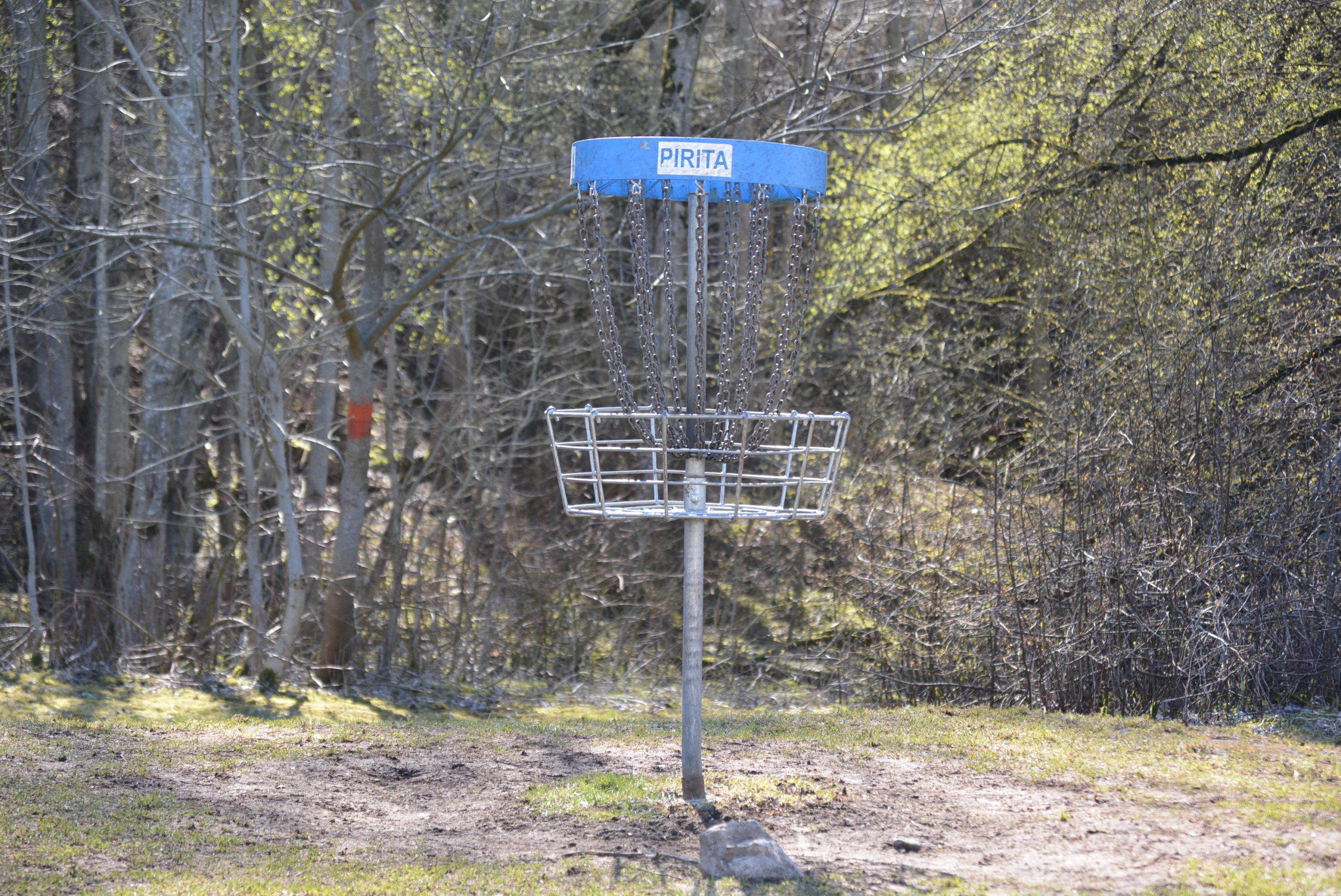
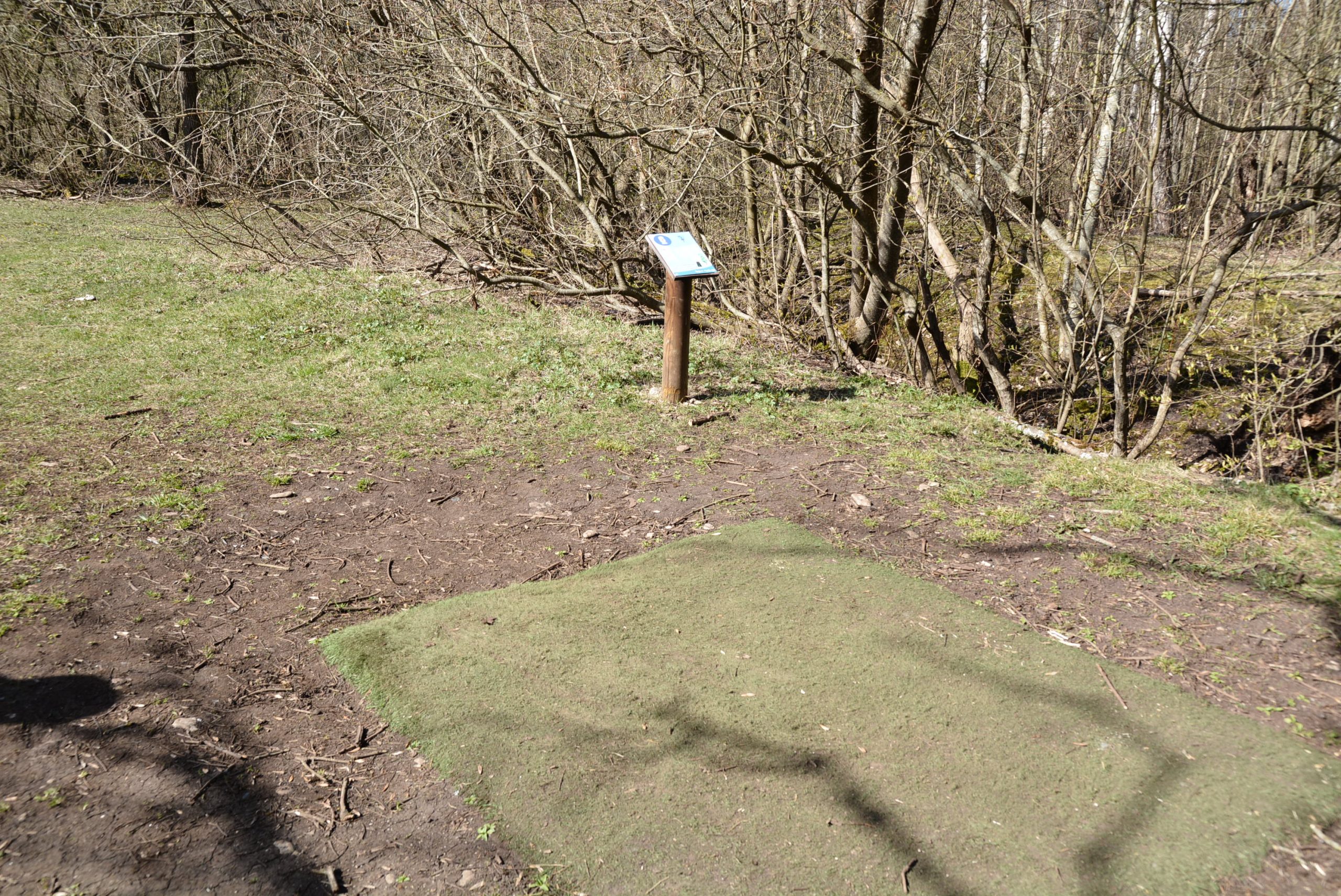
    Photo: Pirita disc golf tee area – CC0 / public domain.

  • Six things that make a local disc golf course worth the drive

    Six things that make a local disc golf course worth the drive

    A local disc golf course does not need championship length or dramatic elevation to be worth the drive. The best courses give players a clear, enjoyable experience: you can find the first tee, understand the layout, make sensible decisions and leave already thinking about another round.

    1. A clear welcome

    Look for an obvious starting point, a course map or signs that help a first-time visitor understand where to go. A welcoming course does not make beginners guess whether they are in the right place or walk across another fairway to find hole one.

    2. Variety without confusion

    Good variety can come from different distances, shapes, elevations, obstacles and landing zones. The aim is not to make every hole a puzzle. Players should be able to see the intended challenge and choose a line that suits their skill.

    3. Safe, readable flow

    Notice how the holes connect and where fairways, paths, roads, homes and other park users sit. A course that is easy to follow and respectful of shared space is more enjoyable for everyone, especially on busy days.

    4. Care that players can feel

    Trimmed or clearly maintained tee areas, stable signs, tidy baskets and practical paths all communicate that people care about the course. It does not have to look perfect, but hazards should be visible and maintenance priorities should be understood.

    5. A fair challenge

    A great local course gives strong players decisions without making newer players feel excluded. Multiple tees, sensible landing zones or a mix of scoring opportunities can help the same layout serve different groups.

    6. A reason to return

    The best courses have something that rewards a second visit: a different wind, a new line to try, a social club day, seasonal changes or a hole that asks a better question each time. A memorable course gives you a story, not just a score.

    Before you travel, check current access information and local course guidance. When you arrive, respect other park users, keep the pace moving and leave the course at least as tidy as you found it. Those habits help good local courses stay enjoyable.

    FAQs

    Does a course need to be long to be worth travelling for?

    No. A shorter course can be worth the drive when it has variety, good flow, clear access and thoughtful challenges.

    What should beginners look for?

    Look for clear signs, an easy-to-find first tee, readable fairways, safe spacing and a layout that offers manageable choices rather than constant punishment.

    Why does course flow matter?

    Good flow helps players find the next tee, reduces confusion and makes it easier to share the park safely with other groups and users.

    How can I tell whether a course is maintained?

    Check whether tees, signs, baskets, paths and hazards are in a usable condition. A course need not be immaculate, but its priorities should be visible and practical.

    What makes a course fair for different skill levels?

    Different tee options, varied but understandable holes and landing zones that reward good decisions can help a course serve newer and more experienced players.

    How can players help keep a local course worth visiting?

    Follow local guidance, respect shared spaces, remove rubbish, report hazards through the right channel and support volunteer working bees when you can.

  • Welcome to DiscGolf.nz: news, tips and good vibes for Kiwi disc golf

    Welcome to DiscGolf.nz: news, tips and good vibes for Kiwi disc golf

    Welcome to DiscGolf.nz, a New Zealand resource hub for people who want to play more, understand the game better and help local disc golf grow. The site brings together current disc golf news, practical playing advice, creative ideas for clubs and communities, and free resources that are useful beyond a single round.

    What you will find here

    The editorial mix is deliberately broad. News coverage follows relevant developments in disc golf, tournaments, rules, clubs, courses and community activity. Tips cover beginner questions, throwing technique, putting, practice, course strategy and the small habits that make a round calmer. Ideas support families, schools, clubs, events and travel.

    Free resources are part of the point

    DiscGolf.nz will keep building genuinely useful free downloads and print-friendly resources: scorecards, checklists, practice planners, event templates, beginner guides and course-planning sheets. They are designed to be used in a car park, at a club day, beside a basket or around a kitchen table, not just read once and forgotten.

    A practical Kiwi perspective

    New Zealand courses and communities have their own weather, terrain, distances and access questions. Good advice needs room for park layouts, windy days, shared public spaces, small volunteer teams and players who are learning without a formal coach. The goal is useful guidance that respects different levels of experience and the reality of local play.

    How to use the site

    1. Start with the beginner and tips articles if you are new to disc golf.
    2. Use the free printable resources when you are planning a practice block, session or event.
    3. Read news with attention to dates and original sources, especially when an event or rule is still changing.
    4. Share useful ideas with your club or playing group, then adapt them to your course and community.

    There may also be occasional original premium resources in the future, but free, practical value remains the foundation. DiscGolf.nz is here to help more people enjoy the next throw, the next round and the next good idea for local disc golf.

    FAQs

    Who is DiscGolf.nz for?

    It is for new players, regular recreational players, club volunteers, families, schools and anyone interested in New Zealand disc golf.

    What topics does the site cover?

    The site covers disc golf news, tournaments, clubs, courses, practical tips, beginner help, technique, rules, practice, course strategy, community ideas and useful resources.

    Are the downloads free?

    Free print-friendly resources are a recurring part of the site. Each article explains how the resource can be used and saved or printed.

    Does the site only cover professional disc golf?

    No. Professional news is one part of the mix, alongside local club ideas, beginner guidance, family activities, course care and resources for community sessions.

    How should I use an article at my local course?

    Use the advice as a starting point, then adapt it to your course conditions, local rules, weather, safety needs and the experience of your group.

    Can I suggest an idea for the site?

    Yes. Useful suggestions include practical beginner questions, community resource needs, event ideas and free templates that would help Kiwi players or organisers.

  • Five beginner fixes that add easy distance

    Five beginner fixes that add easy distance

    Beginner distance is often hiding in the parts of the throw that happen before the disc leaves your hand. If your run-up feels rushed, your balance falls away or your arm is doing all the work, adding effort can make the throw less controlled. Try these five fixes one at a time and judge them by clean flights, not by one lucky throw.

    1. Start with a balanced standstill

    Before adding a run-up, practise a standstill throw with your feet stable and your chest turned away from the target. Brace the front side, rotate smoothly and finish with your weight under control. A balanced standstill gives you a clear baseline and removes extra moving parts while you learn the feel of the throw.

    2. Let the lower body begin the motion

    Distance improves when the hips and shoulders contribute in sequence. A small, comfortable step can help you feel the lower body start while the upper body stays relaxed. If your arm is already pulling hard before your weight shifts, slow down and make the movement smaller until the order feels easier.

    3. Keep the reach-back compact

    A huge reach-back is not automatically a powerful one. Reach into a position you can control without leaning backwards or losing sight of your line. The disc should travel close enough to your body that you can move into the pull smoothly, rather than pausing at the furthest point.

    4. Finish the throw

    Many new players try to stop the disc at the target. Let the throwing side continue across the body and allow the back foot to respond to the rotation. A complete follow-through helps you stay balanced and makes it easier to repeat the same release instead of bracing against it.

    5. Choose a slower disc while you learn

    A slower, neutral-flying disc can make release angle and nose angle easier to see. That does not mean faster discs are bad; it means a disc that matches your current control can give clearer feedback. If a disc regularly fades early, turns sharply or feels difficult to keep on line, use a more manageable option for practice.

    Build a simple practice block

    Choose two fixes, then throw five controlled standstills and five relaxed full throws for each one. Keep the target modest: a repeatable line, a balanced finish or a clean release. Stop when your form becomes rushed. Write down what felt different, then revisit the same two cues next time before adding speed.

    FAQs

    Should I throw harder to gain distance?

    Usually, no. Start by improving balance, sequencing and release control. Extra effort is more useful after the movement is repeatable, because hard throwing can hide the cause of an inconsistent flight.

    Do I need a run-up to throw far?

    No. A standstill is a valuable way to learn a clean brace, rotation and release. Add steps only when they help you keep those parts of the throw connected.

    Why does a big reach-back make my throw worse?

    If the reach-back makes you lean, pause or lose your line, it is too large for your current timing. Make it smaller and smoother, then expand it only if control remains.

    What does a good follow-through feel like?

    It should feel like the throw continues after release, with the body able to rotate and the finish balanced. It should not feel like you are forcing your arm to stop at the target.

    How do I know if a disc is too fast for me?

    If you cannot keep the disc on a predictable line or read whether the problem is your release or the disc’s flight, use a slower option for practice. Clear feedback matters more than a disc’s speed number.

    How often should I practise these fixes?

    Short, regular sessions are enough. Spend ten to fifteen minutes on one or two cues, finish while the movement is still controlled, and bring the same focus into your next casual round.