Category: News

Disc golf news, course updates and happening things.

  • Why Masters Disc Golf Is Worth Watching This Week

    Why Masters Disc Golf Is Worth Watching This Week

    Masters disc golf is in the spotlight this week, with the 2026 PDGA Masters Disc Golf World Championships running from 22 to 26 September in Peoria, Illinois. For Kiwi players, it is a useful reminder that competitive disc golf is not only about the open professional divisions: age-group competition, doubles, putting and long-drive events all have a place in the sport.

    The official PDGA event page is the best place to follow the championship information and updates. Here are the parts worth watching and the ideas that local clubs can bring back to Aotearoa.

    A full week of masters disc golf

    The Masters Worlds programme is built around more than a single final round. The official event page lists the main championship alongside course information, schedules, player resources and event updates. That structure matters because a large tournament is also a temporary community: players need clear information about where to be, what is happening and how to take part around the main rounds.

    The event is a pro-am major, and the schedule runs across several days. That creates room for different age divisions and for players to share a championship setting even when they are not competing in the same division. It is a useful model for clubs planning a bigger weekend without making every activity depend on one leaderboard.

    Side events give more players a way in

    The PDGA event page also lists divisional doubles, putting competitions and long-drive competitions. These side events broaden the experience. Doubles can make a major weekend more social, while putting and distance contests offer simple formats that spectators and players can understand quickly.

    That idea scales down well. A New Zealand club does not need a world-championship budget to add one extra activity to a club day. A short putting ladder, a friendly doubles round or a measured long-drive session can give people a second way to participate. Keep the format clear, set a safe throwing area, and explain whether the activity is competitive or simply for fun.

    What to watch as a player

    Masters events are a good reminder to watch decision-making, not only big throws. Look for how experienced players manage their pace, choose conservative targets and stay patient after a mistake. Those habits are useful at any age and on any course.

    It is also worth noticing the event rhythm: preparation, warm-up, round management, recovery and the next start. A strong performance is built from many ordinary actions done well. If you watch coverage or follow the official updates, choose one small habit to test in your next local round rather than trying to copy an entire player’s game.

    What clubs can borrow for Aotearoa

    The simplest takeaway is to design events with more than one doorway into the day. Offer a clear main round, then add an optional activity that suits different ages, confidence levels or interests. Publish the running order, make the safety boundaries obvious, and tell players where to ask questions.

    That approach can help a local event feel welcoming without making it complicated. It also gives families, newer players and experienced competitors reasons to stay connected between rounds. The official Masters Worlds programme is a high-level example, but the underlying idea is very practical: good event design gives people more than one way to belong.

    Keep following the official updates

    The 2026 PDGA Masters Disc Golf World Championships are underway now, so dates, schedules and results should be checked against the official event page rather than older posts or social snippets. For players in New Zealand, the most useful part may be less about copying a championship layout and more about noticing how the event combines competition, community and multiple ways to participate.

    Frequently asked questions

    1. When are the 2026 PDGA Masters Disc Golf World Championships?

    The championship is scheduled for 22 to 26 September 2026 in Peoria, Illinois, according to the official PDGA event information.

    2. Is the event only for professional players?

    No. The event is listed as a pro-am major and includes different age-group divisions within the wider championship programme.

    3. What side events are listed for Masters Worlds?

    The official event page lists divisional doubles, putting competitions and long-drive competitions alongside the main championship.

    4. Why are side events useful at a club tournament?

    They give people another way to take part, whether they enjoy doubles, putting, distance throwing or a more social activity around the main round.

    5. What should players watch for when following masters disc golf?

    Watch how experienced players manage pace, choose targets, respond to mistakes and prepare for the next round, not only how far they throw.

    6. Where should I check the latest event information?

    Use the official PDGA Masters Worlds event page for the latest schedules, player information, event updates and results.

  • Aotearoa disc golf events to put on your spring calendar

    Aotearoa disc golf events to put on your spring calendar

    Spring is bringing a busy stretch of disc golf events around Aotearoa. The New Zealand Disc Golf (NZDG) event calendar currently lists tournaments and gatherings from Hastings and Te Kūiti through to Tasman, Taupō and beyond.

    If you are looking for a reason to travel, watch a tournament, volunteer or simply play somewhere new, these are a few dates worth putting on your radar. Event details can change, so check the official NZDG website and the organiser’s event page before you leave home.

    Flaxmere Fling — Hastings, 19 September

    The nearest event on the current calendar is Flaxmere Fling 2026, listed for Saturday 19 September at Flaxmere Disc Golf in Flaxmere Park, Hastings. NZDG lists the event from 7:00 am to 5:30 pm and provides a registration link from the event listing.

    For players, a local event like this can be a friendly way to experience organised disc golf without making the weekend too complicated. If you are entering, confirm your division, arrival time and registration details before travelling. If you are spectating or supporting a mate, allow time to park, find the course and stay clear of groups during play.

    Brook Park Brave — Te Kūiti, 26–27 September

    The next listed event is the 2026 Brook Park Brave at Brook Park, Te Kumi Side Road, Te Kūiti. The NZDG calendar shows it running from Saturday 26 September into Sunday 27 September.

    The listing gives a Saturday 7:00 pm start and a Sunday 11:00 pm finish. Those times are unusual enough that anyone planning a trip should confirm the schedule directly with the organiser before booking accommodation or setting off. It is a good reminder that an event title and date range are not a substitute for checking the latest player information.

    Two October options: Tasman or Taupō

    On the weekend of 24–26 October, the calendar currently shows two substantial options:

    • Moturoa Open 2026 — NZDG South Island Championships: listed at Moturoa / Rabbit Island in the Tasman region, from Saturday 24 October to Monday 26 October.
    • Taupo Thermal Throwdown: listed at Spa Thermal Park in Taupō, also from Saturday 24 October to Monday 26 October.

    These events offer a simple choice for a spring road trip: head towards the top of the South Island for the Moturoa / Rabbit Island weekend, or make a central North Island plan around Spa Thermal Park. Before committing, check the event page for registration status, divisions, fees, local rules and the expected playing schedule.

    How to plan an event trip without making it stressful

    A tournament weekend is easier when the practical details are sorted before the first throw:

    1. Save the official listing. Use the current NZDG calendar and the organiser’s own event page as your reference point.
    2. Confirm the basics. Check the date, venue, start time, registration instructions and whether the event is full.
    3. Plan for the course. Pack water, weather layers, comfortable shoes, a small towel and the discs you can throw reliably.
    4. Allow extra travel time. A new venue may have a different entrance, parking arrangement or walking route to the first tee.
    5. Read the player information. Local rules, check-in times and course layout notes can affect how you prepare.

    If you are not ready to enter, you can still use the calendar to discover courses, follow results, meet local players or find a club. A well-run event is part competition and part community noticeboard: it shows where people are playing and gives newcomers a clear way into the sport.

    Keep the calendar handy

    The NZDG listing also includes later events such as TDGA Presents Xtreme at McLaren Falls, Faultline Fury at Harcourt Park, Temuka Tussle, MoonBase XII in Twizel and the 2027 New Zealand National Disc Golf Championships in Christchurch. The exact details will matter closer to each date, but keeping a regular eye on the calendar is a useful habit for players who want to plan ahead.

    For this week, the practical takeaway is simple: start with the event closest to you, confirm the details from the official listing, and treat the trip as a chance to connect with the local disc golf community. Spring is a good time to add a new course or a new group of players to your map.

    Source: New Zealand Disc Golf (NZDG) official website and current upcoming-events listing.

    FAQs

    What disc golf event is listed first on the current NZDG calendar?

    Flaxmere Fling 2026 is listed first, on Saturday 19 September at Flaxmere Disc Golf in Flaxmere Park, Hastings.

    Where is the 2026 Brook Park Brave being held?

    It is listed at Brook Park on Te Kumi Side Road in Te Kūiti, with the event running from 26 to 27 September 2026.

    Which two events are listed for 24–26 October 2026?

    The current listing shows Moturoa Open 2026 at Moturoa / Rabbit Island in the Tasman region and Taupo Thermal Throwdown at Spa Thermal Park in Taupō.

    Should I rely on the times shown in a calendar listing?

    Use them as a starting point, then confirm the latest schedule with the event organiser, especially when the listed start or finish time is unusual.

    What should I check before travelling to a disc golf event?

    Confirm the venue, date, start time, registration instructions, event capacity, player information, local rules and any parking or access details.

    Can I use the NZDG calendar if I am not entering a tournament?

    Yes. The calendar can help you find events to watch, courses to visit, clubs to contact and opportunities to meet other players.

  • PDGA forms officiating task force after Worlds call controversy

    PDGA forms officiating task force after Worlds call controversy

    The Professional Disc Golf Association has announced a new officiating task force following controversy around a stance-violation call during the final MPO round of the 2026 PDGA Professional Disc Golf World Championship. For players in Aotearoa who follow sanctioned events, the important point is that this is a process review, not a replay of the decision.

    In its 9 September 2026 announcement, the PDGA said it wants to review and clarify how officiating works at elite and Major-level events. The organisation said the task force will look at making rules and procedures clearer, more consistent and easier for players, officials and fans to understand.

    What has the PDGA announced?

    The task force is being chaired by Conrad Damon, the newly elected President of the PDGA Board of Directors, and Doug Bjerkaas, the PDGA Executive Director. The PDGA said additional members would be named in the following week, including representatives from the DGPT Players Council, disc golf media and the PDGA Rules & Regulations Advisory Committee.

    That mix matters because officiating affects several groups at once. Players need to know what is expected of them. Officials need a process they can apply consistently. Tournament directors need procedures that are clear enough to support decisions under pressure. Fans also need to understand why a ruling was made, especially when a high-profile call changes the feel of a final round.

    What the task force is not doing

    The PDGA has been explicit that the task force will not review or revisit the outcome of the 2026 Worlds final round. The ruling stands. The announced work is forward-looking: it is intended to examine the approach to officiating and recommend improvements for future events.

    That distinction is useful for everyday players. A review of a process does not automatically change a scorecard, overturn a past decision or create a new appeal route for an event that has already finished. Any future changes will depend on the task force’s recommendations and whatever the PDGA decides to publish after the review is complete.

    Why this matters beyond elite events

    Most rounds in New Zealand are casual, club-based or local competitions rather than PDGA Major events. Even so, clear decision-making helps any organised round. Before a tournament starts, players and organisers can reduce confusion by making sure everyone knows which rules apply, who is acting as an official, and how a question should be raised.

    A calm process also protects the tone of the sport. A player can disagree with a call without turning the group into an argument. An official can explain the decision and record the relevant facts. A tournament director can focus on applying the event’s published procedures rather than sorting out a dispute that has become personal.

    This does not mean every club round needs a complicated bureaucracy. It means the event should make its expectations visible before the first tee time. For a small competition, that might be a short briefing covering local rules, out-of-bounds areas, how to request an official ruling and who has final authority for the day.

    A practical checklist for local organisers

    While the PDGA review is underway, local tournament directors can still make their own events easier to follow:

    • Publish the event rules early. Point players to the governing rules and list any event-specific conditions in plain language.
    • Identify officials. Let players know who can make a ruling and how to contact the tournament director if an issue needs to be escalated.
    • Explain the timing. Tell players to raise a question promptly, before the group moves too far from the situation.
    • Keep facts separate from frustration. Note the lie, throw, marker, boundary or other relevant detail before debating what should happen next.
    • Record unusual rulings. A short written note helps with results, later questions and improvements for the next event.

    For players, the matching checklist is simple: know the local rules, ask early, explain the situation clearly and listen to the ruling before deciding what to do next. If you are unsure how your event handles a disputed call, ask the organiser at the player briefing rather than waiting for a stressful moment on the course.

    What happens next?

    The PDGA says it will share the task force’s recommendations and any resulting changes when the review is complete. Until then, the current published rules and event procedures remain the reference point for sanctioned play. The task force announcement is therefore best read as a sign that the sport’s governing body is taking officiating clarity seriously, not as an immediate rule change.

    For the New Zealand disc-golf community, that is a useful conversation to have at every level. Good officiating is not about removing all disagreement from sport. It is about giving players and organisers a fair, understandable way to handle disagreement when it appears.

    Source: PDGA Board of Directors Forms Officiating Task Force, published 9 September 2026.

    FAQs

    Why did the PDGA form an officiating task force?

    The PDGA formed it to review and clarify its approach to officiating at elite and Major-level events after controversy around a stance-violation call at the 2026 World Championship.

    Will the task force change the result of the 2026 Worlds final round?

    No. The PDGA said the task force will not revisit that outcome and that the ruling stands.

    Who is leading the PDGA officiating task force?

    It is chaired by Conrad Damon, President of the PDGA Board of Directors, and Doug Bjerkaas, the PDGA Executive Director.

    Who else is expected to be represented?

    The PDGA said additional members would include representatives from the DGPT Players Council, disc golf media and the PDGA Rules & Regulations Advisory Committee.

    Does the announcement immediately change the rules for local New Zealand rounds?

    No. The announcement describes a forward-looking review. Players should continue to follow the rules and event procedures published for their particular competition.

    What can a local tournament organiser do now?

    An organiser can publish event rules early, identify officials, explain how questions are raised, ask players to report issues promptly and keep a short record of unusual rulings.

  • Free downloads are live: cheat sheet, scorecard and practice plan

    Free downloads are live: cheat sheet, scorecard and practice plan

    The first DiscGolf.nz free downloads are live. Print them, share them with your crew and keep a copy in your disc bag.

    What is ready now

    Beginner cheat sheet – the 60-second rules, three throws to learn first and course etiquette that keeps everyone smiling.

    Printable 18-hole scorecard – par, score and plus/minus columns, sized for a normal printer.

    20-minute practice plan – five short blocks for busy weeks so a quick session still moves your game forward.

    More on the way

    Next up: a putting ladder challenge sheet, disc flight numbers explained in plain English, and a course-day checklist for club nights.

    If there is a resource you wish existed, email admin@discgolf.nz and we will add it to the list.

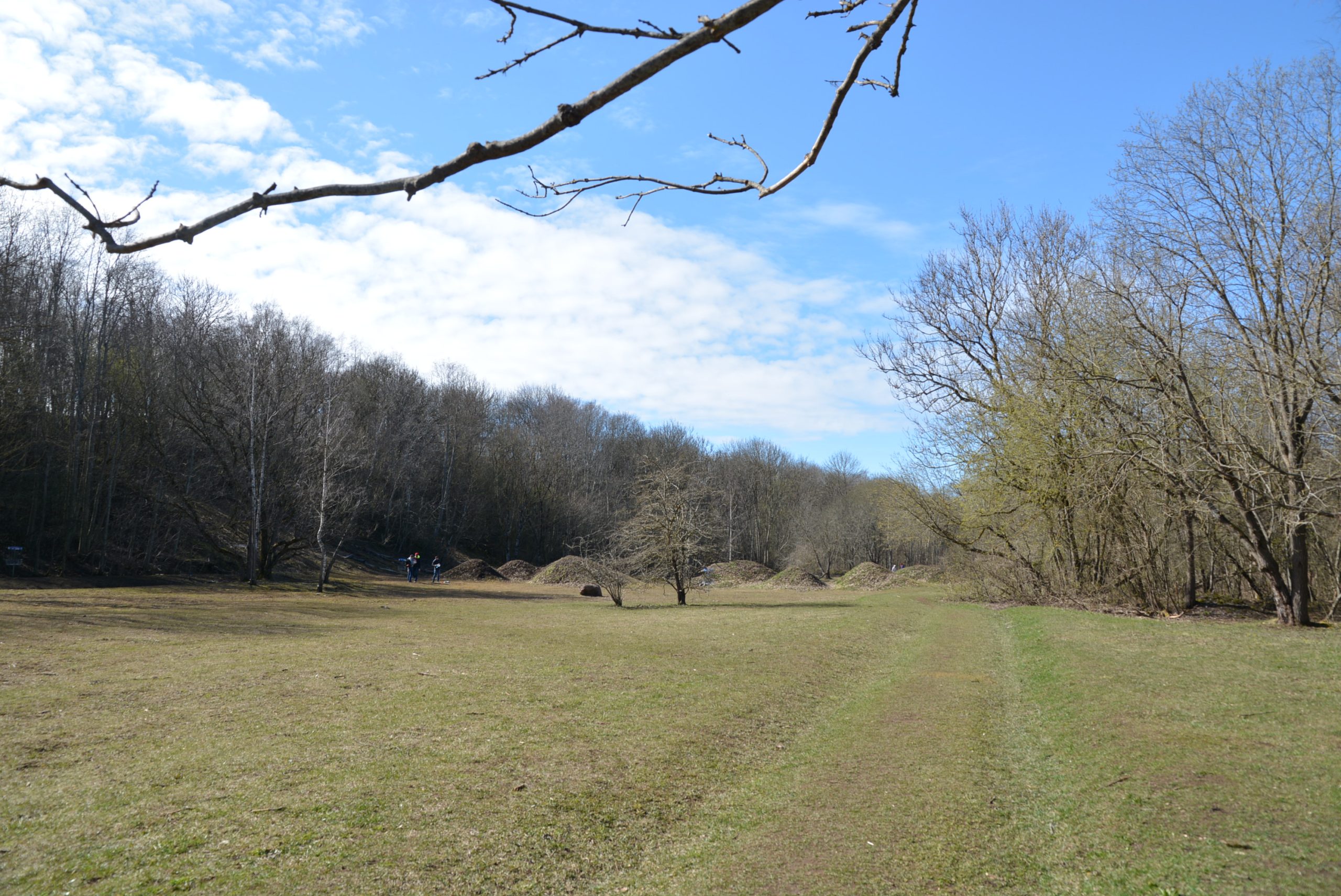
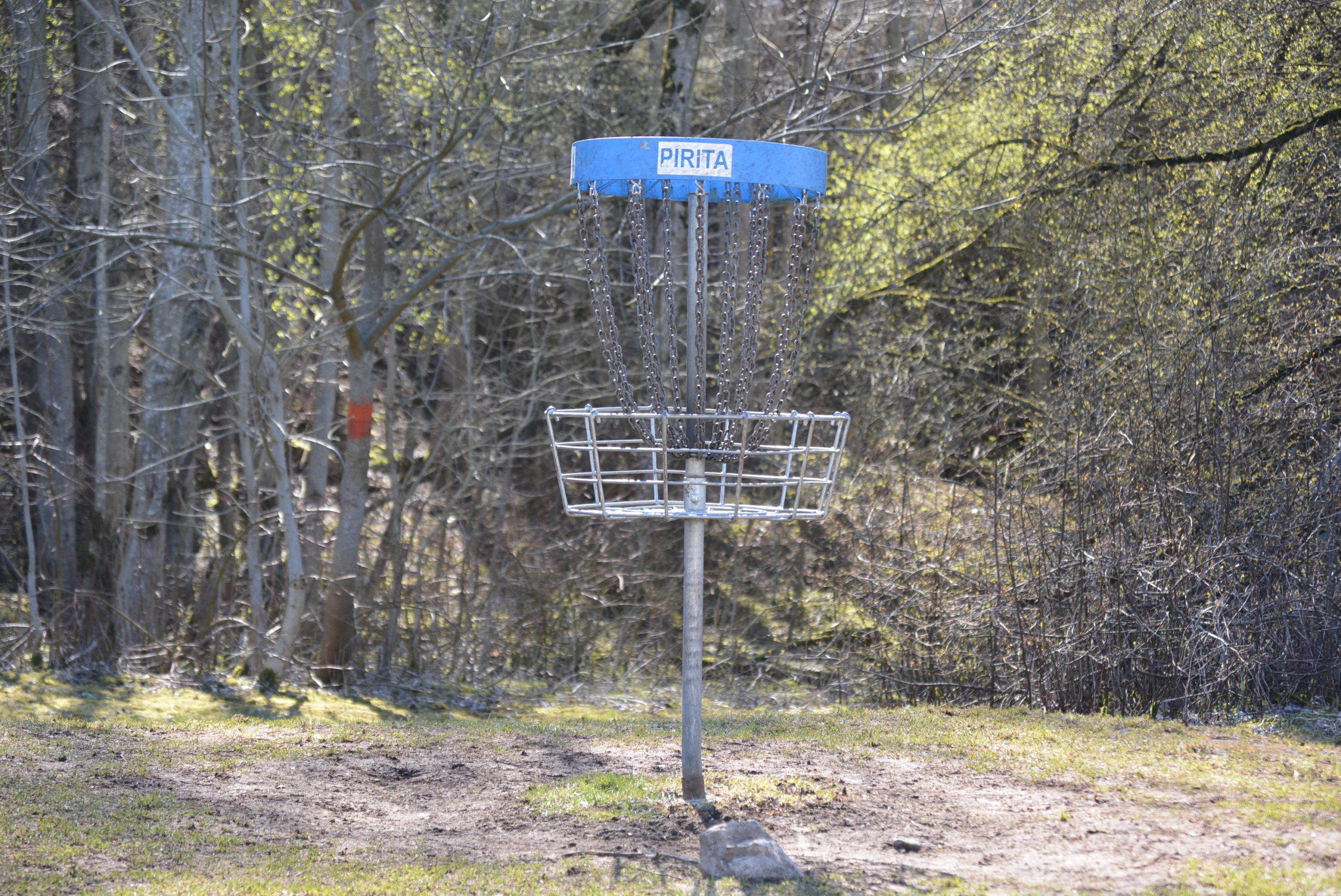
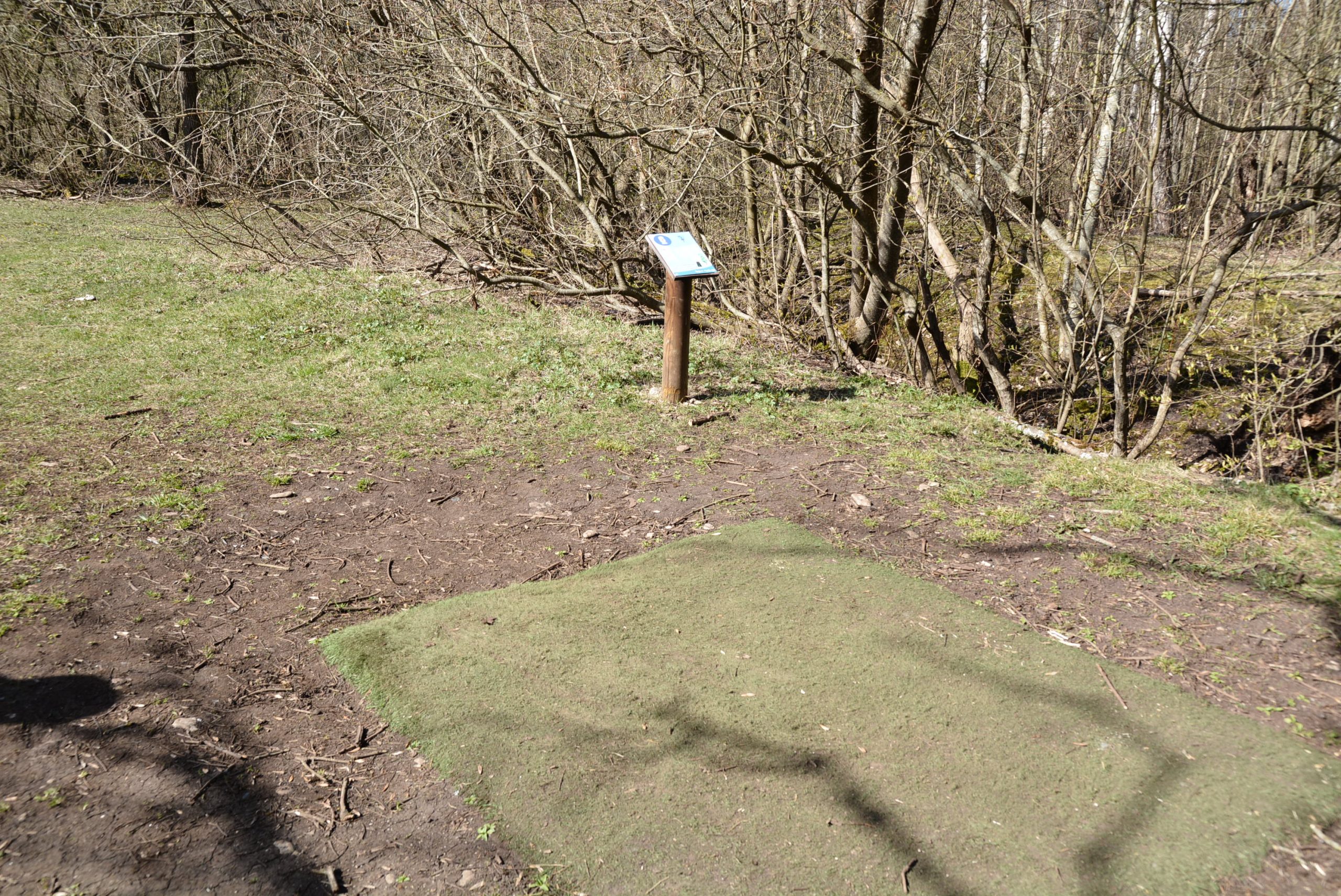
    Photo: Pirita disc golf tee area – CC0 / public domain.

  • Six things that make a local disc golf course worth the drive

    Six things that make a local disc golf course worth the drive

    A local disc golf course does not need championship length or dramatic elevation to be worth the drive. The best courses give players a clear, enjoyable experience: you can find the first tee, understand the layout, make sensible decisions and leave already thinking about another round.

    1. A clear welcome

    Look for an obvious starting point, a course map or signs that help a first-time visitor understand where to go. A welcoming course does not make beginners guess whether they are in the right place or walk across another fairway to find hole one.

    2. Variety without confusion

    Good variety can come from different distances, shapes, elevations, obstacles and landing zones. The aim is not to make every hole a puzzle. Players should be able to see the intended challenge and choose a line that suits their skill.

    3. Safe, readable flow

    Notice how the holes connect and where fairways, paths, roads, homes and other park users sit. A course that is easy to follow and respectful of shared space is more enjoyable for everyone, especially on busy days.

    4. Care that players can feel

    Trimmed or clearly maintained tee areas, stable signs, tidy baskets and practical paths all communicate that people care about the course. It does not have to look perfect, but hazards should be visible and maintenance priorities should be understood.

    5. A fair challenge

    A great local course gives strong players decisions without making newer players feel excluded. Multiple tees, sensible landing zones or a mix of scoring opportunities can help the same layout serve different groups.

    6. A reason to return

    The best courses have something that rewards a second visit: a different wind, a new line to try, a social club day, seasonal changes or a hole that asks a better question each time. A memorable course gives you a story, not just a score.

    Before you travel, check current access information and local course guidance. When you arrive, respect other park users, keep the pace moving and leave the course at least as tidy as you found it. Those habits help good local courses stay enjoyable.

    FAQs

    Does a course need to be long to be worth travelling for?

    No. A shorter course can be worth the drive when it has variety, good flow, clear access and thoughtful challenges.

    What should beginners look for?

    Look for clear signs, an easy-to-find first tee, readable fairways, safe spacing and a layout that offers manageable choices rather than constant punishment.

    Why does course flow matter?

    Good flow helps players find the next tee, reduces confusion and makes it easier to share the park safely with other groups and users.

    How can I tell whether a course is maintained?

    Check whether tees, signs, baskets, paths and hazards are in a usable condition. A course need not be immaculate, but its priorities should be visible and practical.

    What makes a course fair for different skill levels?

    Different tee options, varied but understandable holes and landing zones that reward good decisions can help a course serve newer and more experienced players.

    How can players help keep a local course worth visiting?

    Follow local guidance, respect shared spaces, remove rubbish, report hazards through the right channel and support volunteer working bees when you can.

  • Welcome to DiscGolf.nz: news, tips and good vibes for Kiwi disc golf

    Welcome to DiscGolf.nz: news, tips and good vibes for Kiwi disc golf

    Welcome to DiscGolf.nz, a New Zealand resource hub for people who want to play more, understand the game better and help local disc golf grow. The site brings together current disc golf news, practical playing advice, creative ideas for clubs and communities, and free resources that are useful beyond a single round.

    What you will find here

    The editorial mix is deliberately broad. News coverage follows relevant developments in disc golf, tournaments, rules, clubs, courses and community activity. Tips cover beginner questions, throwing technique, putting, practice, course strategy and the small habits that make a round calmer. Ideas support families, schools, clubs, events and travel.

    Free resources are part of the point

    DiscGolf.nz will keep building genuinely useful free downloads and print-friendly resources: scorecards, checklists, practice planners, event templates, beginner guides and course-planning sheets. They are designed to be used in a car park, at a club day, beside a basket or around a kitchen table, not just read once and forgotten.

    A practical Kiwi perspective

    New Zealand courses and communities have their own weather, terrain, distances and access questions. Good advice needs room for park layouts, windy days, shared public spaces, small volunteer teams and players who are learning without a formal coach. The goal is useful guidance that respects different levels of experience and the reality of local play.

    How to use the site

    1. Start with the beginner and tips articles if you are new to disc golf.
    2. Use the free printable resources when you are planning a practice block, session or event.
    3. Read news with attention to dates and original sources, especially when an event or rule is still changing.
    4. Share useful ideas with your club or playing group, then adapt them to your course and community.

    There may also be occasional original premium resources in the future, but free, practical value remains the foundation. DiscGolf.nz is here to help more people enjoy the next throw, the next round and the next good idea for local disc golf.

    FAQs

    Who is DiscGolf.nz for?

    It is for new players, regular recreational players, club volunteers, families, schools and anyone interested in New Zealand disc golf.

    What topics does the site cover?

    The site covers disc golf news, tournaments, clubs, courses, practical tips, beginner help, technique, rules, practice, course strategy, community ideas and useful resources.

    Are the downloads free?

    Free print-friendly resources are a recurring part of the site. Each article explains how the resource can be used and saved or printed.

    Does the site only cover professional disc golf?

    No. Professional news is one part of the mix, alongside local club ideas, beginner guidance, family activities, course care and resources for community sessions.

    How should I use an article at my local course?

    Use the advice as a starting point, then adapt it to your course conditions, local rules, weather, safety needs and the experience of your group.

    Can I suggest an idea for the site?

    Yes. Useful suggestions include practical beginner questions, community resource needs, event ideas and free templates that would help Kiwi players or organisers.